
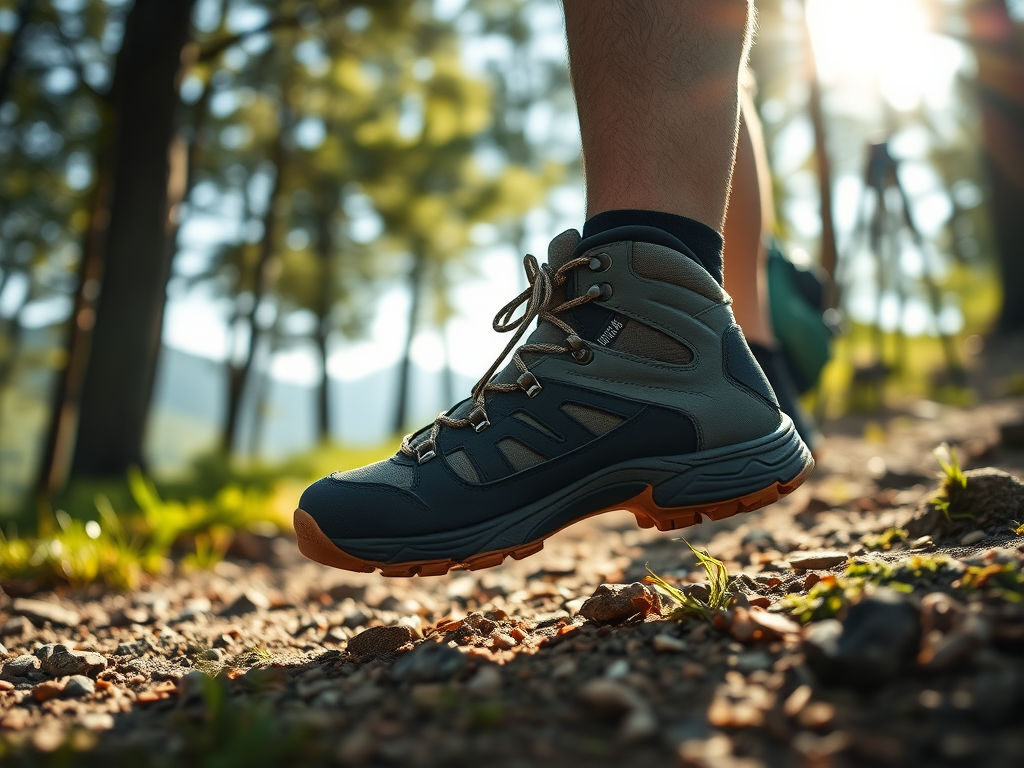
Quick answer: To choose hiking boots, pick the cut for your terrain (low for easy trails, mid for mountain routes and multi-day treks, high for technical terrain or snow), go for a waterproof membrane if you hike in rain or mud, and put fit first: try them on in the afternoon, with your hiking socks, leaving a finger’s width of room at the front.
Updated October 24, 2026
If there is one piece of gear you should not skimp on or improvise with, it is your boots. Your feet carry all your weight plus your pack for hours, over rock, mud, snow or loose dirt. Boots that are wrong for you mean blisters, black toenails, twisted ankles and hikes that feel endless.
In this guide we explain how to choose hiking boots step by step, so you get the right footwear for the kind of mountains you hike.
1. Define what kind of hiking you do
Before looking at models, think about where and how you will walk:
- Well-marked trails and day hikes: trail shoes or low-cut boots. Light, comfortable and with good traction.
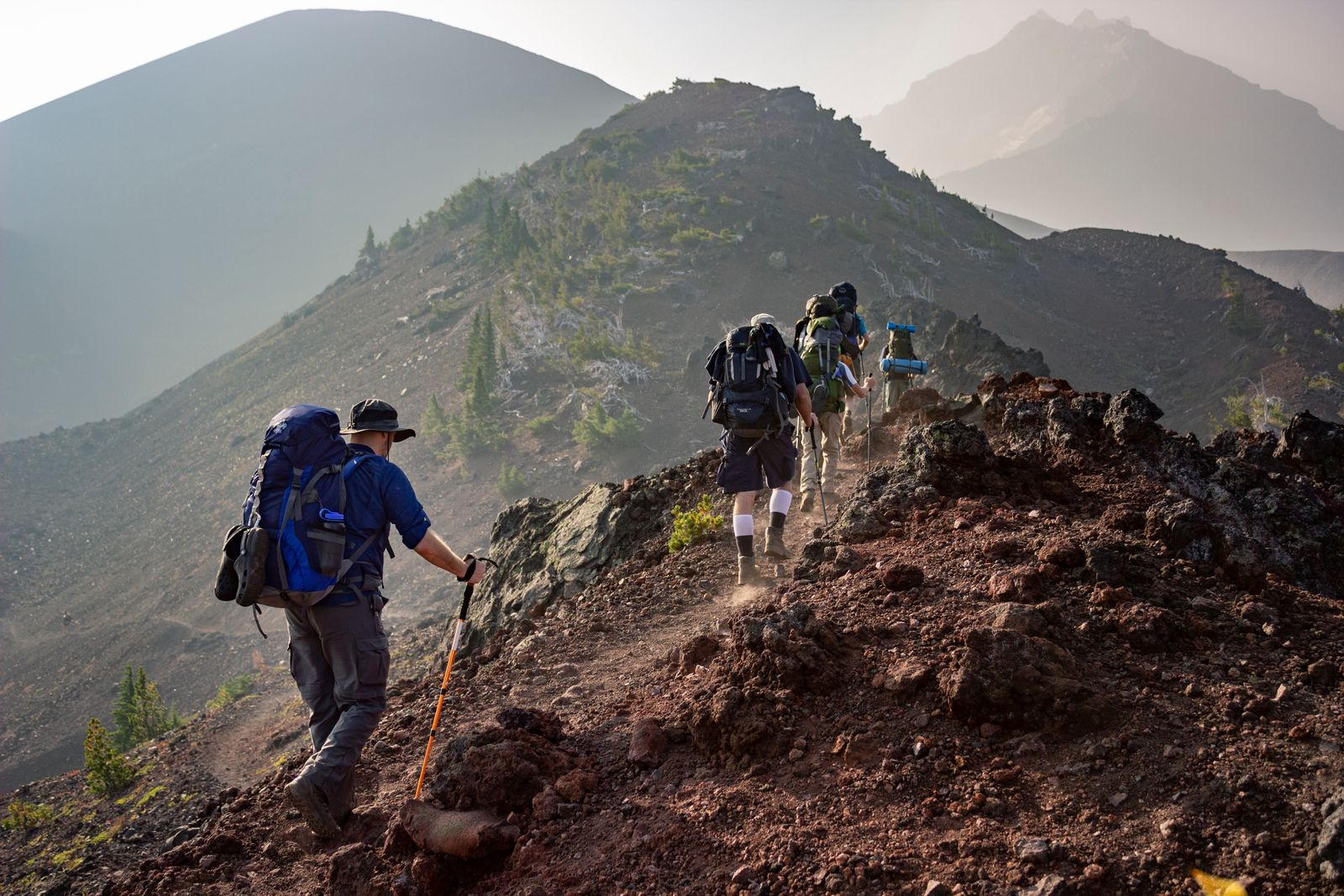
- Mountain routes with loose rock and elevation gain, or multi-day treks with a pack: mid-cut boots. They are the most versatile.
- Very technical terrain, heavy loads or snow: high-cut boots with a stiff sole. Some are crampon compatible.
If you do a bit of everything, a mid-cut boot is the safest choice to start with.
2. Low, mid or high cut
The cut is how high the boot rises above the ankle.
- Low cut: maximum freedom of movement and less weight. Gives little ankle protection and lets in stones or water more easily.
- Mid cut: supports the ankle without being too stiff and protects against knocks and sprains. It is the hiking standard.
- High cut: maximum support and protection. Heavier and less flexible, designed for high mountains.
3. Waterproof membrane or not?
Many boots include a waterproof, breathable membrane such as Gore-Tex or an equivalent.
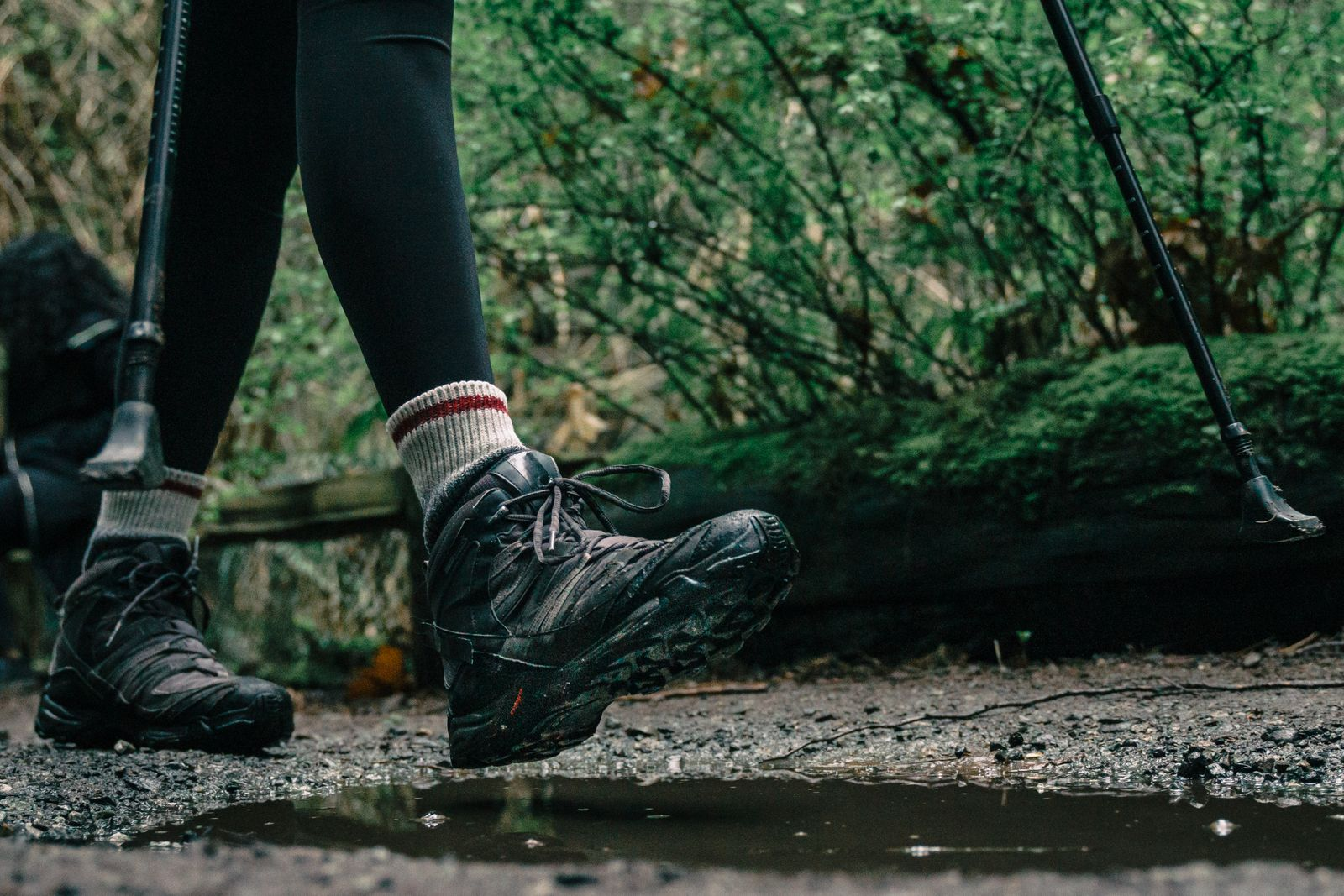
- With a membrane: essential if you hike in rain, mud or snow or cross streams. It is the most common choice in Patagonia and in the mountains in general.
- Without a membrane: they breathe much better and dry faster. Ideal for dry, hot climates such as the desert or summer in arid areas.
Keep in mind that no membrane is magic: if water gets in over the top of the boot, it will get wet inside anyway.
4. The sole: traction and stiffness
- Deep, widely spaced lugs: grip better in mud and loose dirt, and shed mud easily.
- Soft rubber compounds: more grip on rock, although they wear faster.
- Stiffness: a stiffer sole tires your feet less with a heavy pack or on uneven ground; a more flexible one is more comfortable on easy trails.
Also look for a reinforced toe cap: it protects your toes from hitting rocks.
5. Materials: leather or synthetic
- Leather: very durable, molds to your foot with use and lasts for years. Heavier and needs maintenance.
- Synthetic or mixed: lighter, dries faster and needs less breaking in. Usually does not last quite as long.
6. Size and fit: what matters most
An excellent boot that does not fit your foot is a bad boot. Follow these tips when trying them on:
- Try them on in the afternoon, when your feet are more swollen, like after a hike.
- Wear the hiking socks you will hike in.
- Leave room at the front: with the boot unlaced, push your foot forward and check that a finger fits behind your heel. On descents your foot slides forward and your toes need space.
- Your heel should not lift when you walk with the boot laced.
- Walk up and down a ramp if the store has one. Any rubbing in the store will be a blister on the mountain.
Every brand has a different last: some are wider, others narrower. If one does not fit you, try another brand before another size.
7. Break them in before a long trip
Never wear new boots for the first time on a multi-day trek. Use them first on short walks and day hikes so they adapt to your feet. And pair your boots with good socks: in our guide to preventing blisters when hiking we explain why merino makes the difference.
8. Care and maintenance
- Clean off the mud after every outing.
- Dry them at room temperature, never next to a heater or in direct sun.
- Apply a water-repellent treatment from time to time to keep the outside shedding water.
- Replace the insoles when they lose their cushioning.
Well cared for, a good pair of boots will take you through many hundreds of kilometers.
Frequently asked questions
Low cut is light and suits easy trails; mid cut supports the ankle and is the most versatile for hiking; high cut gives maximum protection for technical terrain, heavy loads or snow.
A waterproof membrane such as Gore-Tex is recommended if you hike in rain, mud or snow. In dry, hot climates, a boot without a membrane breathes better.
With the boot unlaced and your foot pushed forward, a finger should fit behind your heel. Laced up, your heel should not lift when you walk.
Recommended gear
If you need to round out your kit, these are the categories we recommend checking:
- Waterproof mid-cut hiking boots
- Trail hiking shoes
- Merino wool hiking socks
- Insoles for hiking boots
- Boot waterproofing treatment
Affiliate links: if you buy through them, Modo Aventura earns a small commission at no extra cost to you.
Conclusion
To choose the right hiking boots, think about the terrain first, pick the cut and membrane for your climate and, above all, put fit ahead of brand or price. If your feet are comfortable, everything else in the mountains is easier. And to complete your kit, check what to bring on a day hike.
Which boots do you wear and how many kilometers have they done with you? Tell us in the comments.

2 thoughts on “How to Choose Hiking Boots: The Complete Guide to Getting It Right the First Time”
Comments are closed.