
Quick answer: For a day hike, carry a 20 to 30 liter backpack with layered clothing and a rain jacket, 2 to 3 liters of water, lunch and snacks, a map and a downloaded track, a headlamp, a first aid kit with an emergency blanket, sun protection and a whistle. Always tell someone your route and when you expect to be back.
Updated October 24, 2026
A day hike looks simple: you leave early, walk for a few hours and come back before dark. But in the mountains the weather changes fast, trails take longer than planned and a small oversight can turn a great day into a bad one. The key is to carry exactly what you need: neither a 15 kilo (33 lb) pack nor nothing but the clothes on your back.
In this guide we share the checklist we use before every outing, explained item by item so you understand why each thing deserves its place in your pack.
The golden rule: plan before you pack
Before thinking about gear, answer three questions:
- How long is the route? Work out the total time including breaks and leave a margin of at least one hour before sunset.
- What will the weather be like? Check the mountain forecast for the area, not the one for the nearest city. Higher up it is colder and windier.
- Is there water along the way? Knowing whether there are reliable springs or streams completely changes how much weight you carry.
And most important of all: tell someone where you are going and when you plan to be back. It is free and it can save your life.
1. The right backpack (20 to 30 liters)
For a day hike, a 20 to 30 liter backpack with a hip belt and a ventilated back is enough. Any smaller and you will have things dangling off it; any bigger and you will tend to fill it with unnecessary weight. If you are not sure which one to choose, read our guide to choosing a hiking backpack.
2. Layered clothing
Cotton is a hiker’s worst enemy: it absorbs sweat, takes ages to dry and chills you. Dress using the 3-layer system:
- A technical or merino base layer that wicks sweat away.
- A fleece or light down jacket as a mid layer for breaks.
- A waterproof, windproof outer layer, even if the morning is clear.
Add a beanie or buff, thin gloves and sunglasses. In the mountains UV radiation is stronger, and snow or pale rock reflects it.
3. Footwear and socks
Hiking boots or trail shoes you have already worn in, never brand new on the day. Technical or merino socks, plus a spare pair in your pack if the route is long or could be muddy. If you often have foot trouble, read how to prevent blisters when hiking.
4. Water: more than you think
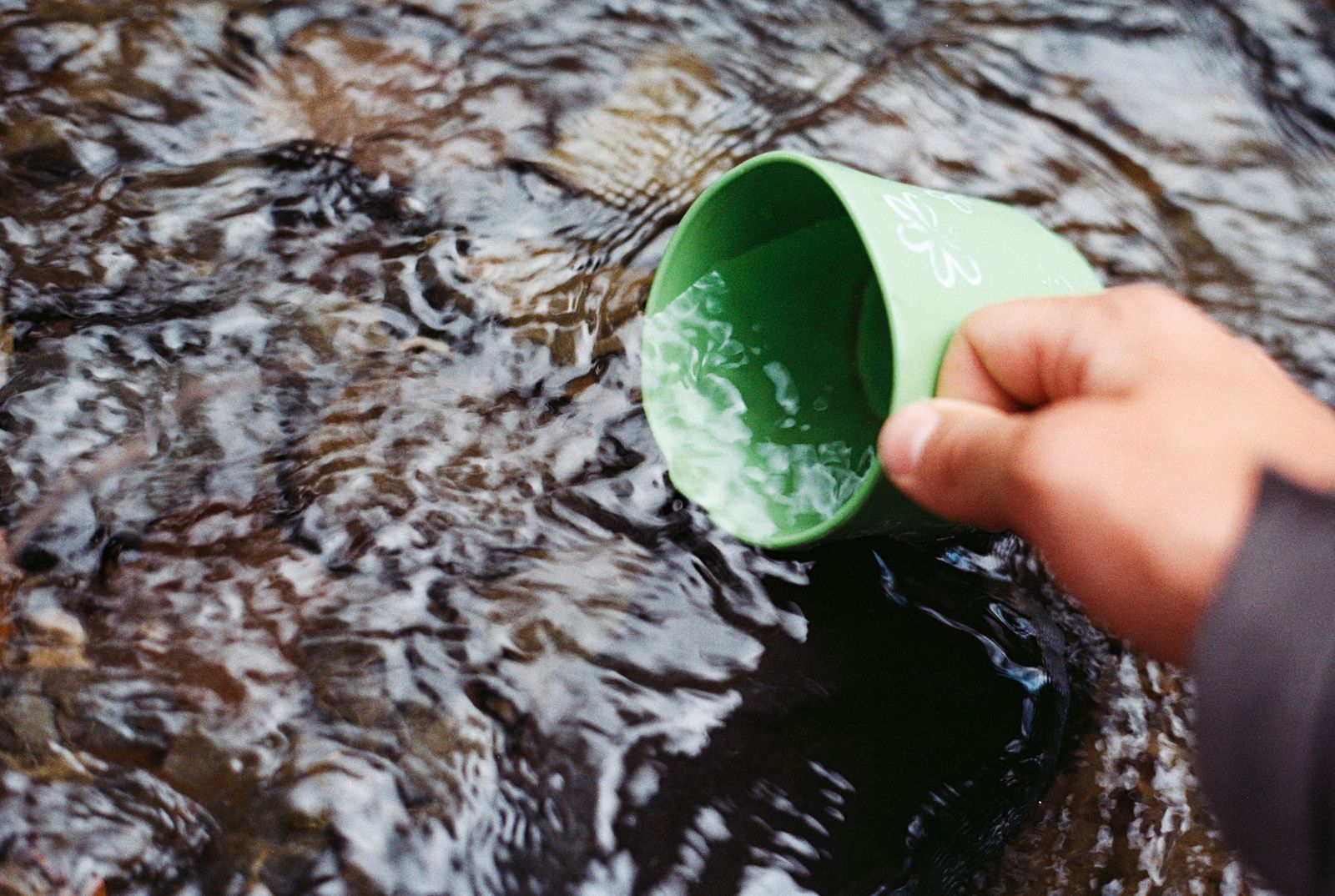
As a rule of thumb, plan for half a liter per hour of walking in normal conditions, and more if it is hot or there is a lot of elevation gain. For a five or six hour route, 2 to 3 liters is typical. If there are water sources on the way, a filter or purification tablets let you carry less weight.
5. Food and energy snacks
Bring a simple lunch and snacks you can eat on the move: nuts, dried fruit, bars, chocolate or a sandwich. Eat little and often instead of waiting until you are hungry. You will find more ideas in our guide to essential foods for your adventures.
6. Navigation
- A map of the area and, if you know how to use one, a compass.
- The route track downloaded to your phone in an app that works offline.
- A small power bank: GPS drains the battery fast.
Do not rely on your phone alone. Cold drains batteries and many valleys have no signal.
7. Headlamp
Even if you plan to be back in daylight, a headlamp weighs under 100 grams (3.5 oz) and it is the thing you miss most when a hike runs long. Check the batteries before you leave.
8. Basic first aid kit
You do not need a portable hospital. This covers most mishaps:
- Bandages and blister patches.
- Elastic bandage and medical tape.
- Antiseptic and gauze.
- Your usual pain reliever and anti-inflammatory.
- Your personal medication.
- Emergency thermal blanket.
9. Sun protection
High SPF sunscreen, lip balm and a cap. At 2,000 meters (6,500 ft) UV radiation is noticeably stronger than at sea level, and sunburn arrives before you notice it.
10. Extras that make a difference
- Trekking poles: they take the load off your knees on descents.
- Whistle: to call for help if you get lost or injured.
- Pocket knife or multi-tool.
- Trash bag: whatever you carry up, you carry down.
- ID, some cash and the local emergency number written down.
Quick printable checklist
- 20 to 30 liter backpack
- Base layer, mid layer and rain jacket
- Beanie, thin gloves and sunglasses
- Broken-in boots and spare socks
- 2 to 3 liters of water or a purification system
- Lunch and snacks
- Map, downloaded track and power bank
- Headlamp
- First aid kit and emergency blanket
- Sunscreen and lip balm
- Poles, whistle and knife
- Trash bag and ID
Frequently asked questions
As a guide, half a liter per hour of walking in normal conditions. For a five or six hour route, 2 to 3 liters is typical, and more if it is hot or there is a lot of elevation gain.
Technical clothing in layers: a base layer that wicks sweat, an insulating mid layer and a waterproof, windproof jacket. Avoid cotton because it holds moisture and makes you cold.
Yes. It weighs under 100 grams and it is the thing you miss most when a hike runs long or the day gets shorter.
Recommended gear
If you need to round out your kit, these are the categories we recommend checking:
- 20 to 30 liter daypacks
- Headlamps
- Trekking poles
- Hiking first aid kits
- Portable water filters
- Emergency thermal blankets
Affiliate links: if you buy through them, Modo Aventura earns a small commission at no extra cost to you.
Conclusion
Packing your bag takes ten minutes and saves you a lot of trouble. With this list you cover the essentials to enjoy the mountains safely and come back eager for the next trail. And if you want to go further, check out our 10 essential items for any outdoor adventure.
What is the one thing that is always in your pack? Tell us in the comments.
3 thoughts on “What to Bring on a Day Hike: The Complete Mountain Checklist”
Comments are closed.