Quick answer: To go car camping in Patagonia you need: a sturdy tent with strong stakes and guy lines, a cold-weather sleeping bag (0 °C / 32 °F comfort or lower, even in summer), a sleeping pad, warm layers with a windproof jacket, a gas stove with spare fuel, food for one more day than planned and your own water. Campfires are only allowed in designated fire pits, and they are often banned during fire season.
Updated on November 7, 2026
Patagonia is one of the best places in the world to camp, but it does not forgive carelessness. Wind can rip away a badly pitched tent, nights get cold even after a hot day, and many campgrounds are far from any store. The good news: if you travel by car, you can bring everything you need without worrying much about weight.
In this guide we cover what to bring camping in Patagonia by car: the basic gear, what matters most (warmth, food and water) and the mistakes we see every season.
What camping in Patagonia is like
Before you build your list, it helps to understand the three things that make Patagonia different:
- Wind. It can blow hard for hours, especially on the steppe and around El Chaltén, El Calafate and Torres del Paine. It is the factor that shapes your gear the most.
- Cold nights. Even in January, temperatures can drop close to 0 °C (32 °F) at night, especially near the Andes or at higher campsites.
- Distances. Towns can be hundreds of kilometers apart. If you forget something, there may be nowhere to buy it.
The weather also changes fast: sun, rain and wind can all show up in one afternoon. Pack for the worst case, not for the forecast.
1. Tent, stakes and guy lines
Your tent is your home, and in Patagonia half the job is done by the stakes and guy lines. A good tent that is poorly anchored will blow away just the same.
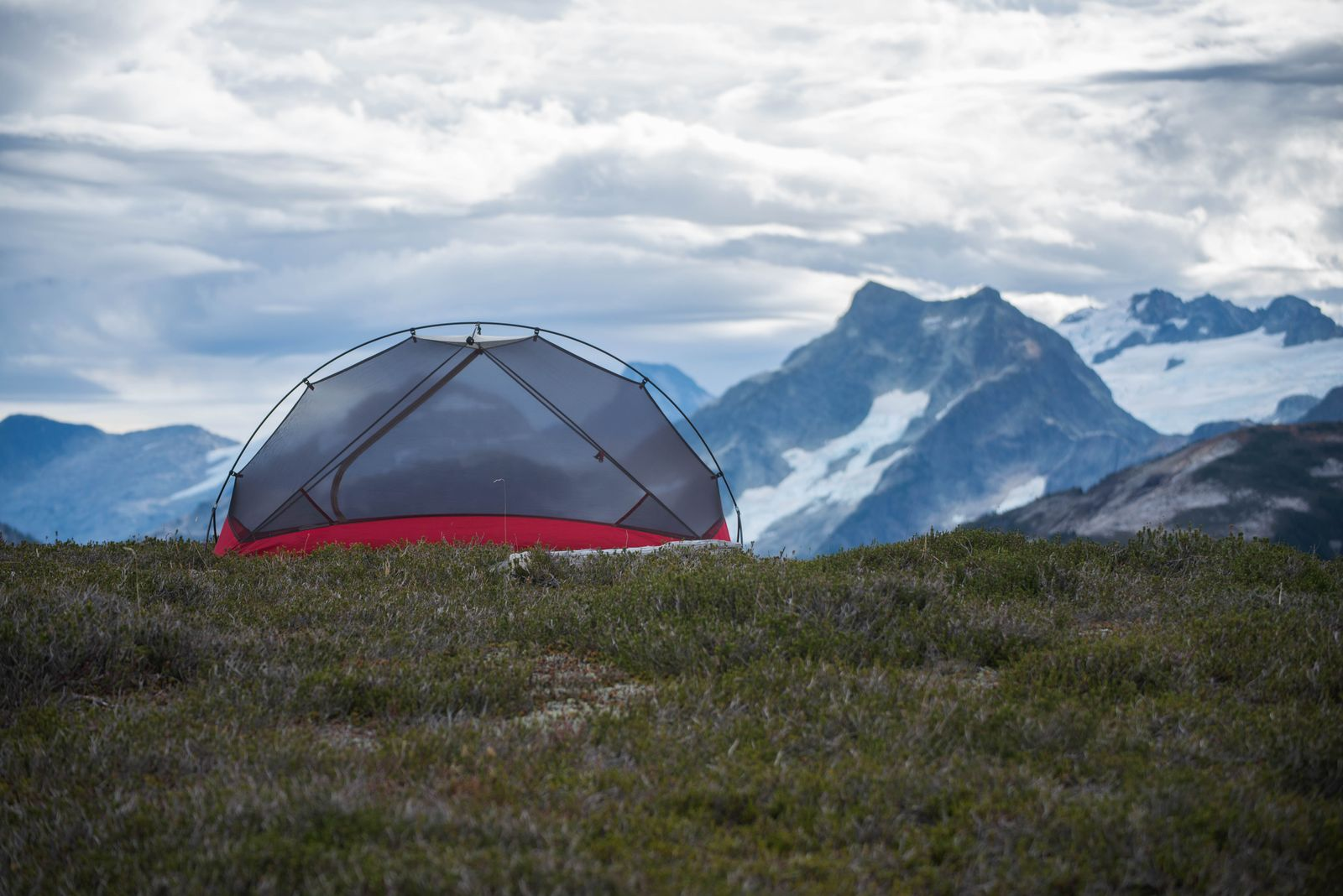
- A sturdy, quality tent with a rainfly that reaches almost to the ground and aluminum or strong fiberglass poles. If in doubt, read our guide on how to choose a tent.
- Extra, stronger stakes. The ones that come with the tent are usually thin and bend. Bring steel stakes or aluminum V or Y stakes, plus a few long ones for sandy or gravelly ground.
- Extra guy lines. Use every anchor point on the tent and bring spare cord to add lines if a storm rolls in.
- A mallet or rubber hammer to drive stakes into hard ground. With a car, weight does not matter.
- A tarp or footprint to protect the tent floor and add insulation.
How to pitch a tent in the wind
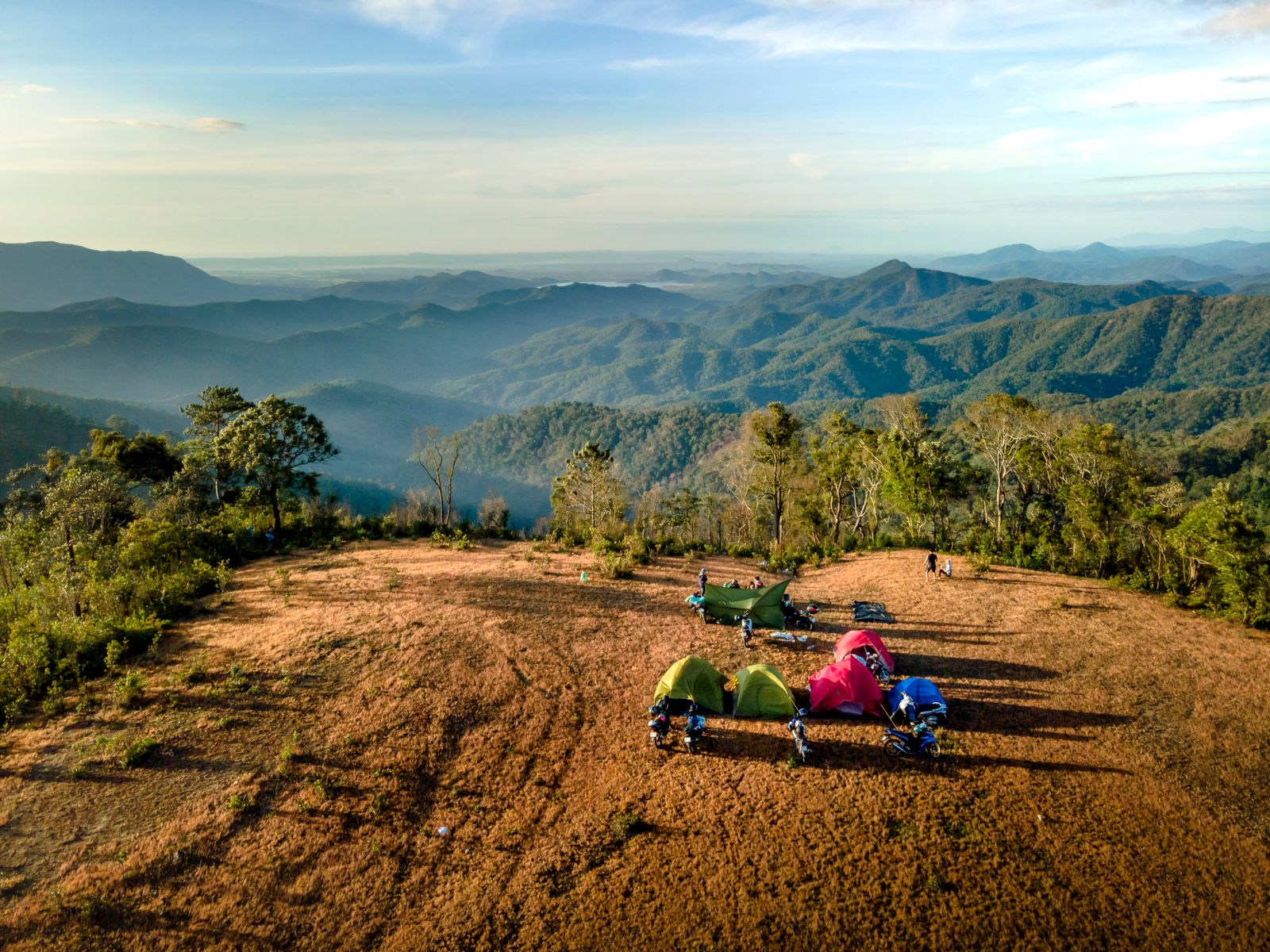
- Find a sheltered spot: behind bushes or a rise, or use your car as a windbreak.
- Point the lowest, narrowest end of the tent into the wind, with the door on the opposite side.
- Stake the windward side first, before raising the tent, so it cannot fly off.
- Tension the guy lines and check them before going to sleep. If the stakes will not hold, pile big rocks on top of them.
- Do not camp under trees with dead branches: strong wind can bring them down.
2. Staying warm at night: sleeping bag and pad
Being cold at night ruins any camping trip. Together with food, warmth is the most important part of the list.
- A cold-weather sleeping bag. For Patagonia in summer, look for a comfort rating of 0 °C (32 °F) or lower. Go by the comfort rating, not the extreme one. More in how to choose a sleeping bag.
- Insulation underneath. Cold comes up from the ground. An air mattress is comfortable, but if it is not insulated, put a foam pad under it.
- A hat, dry socks and a base layer just for sleeping. Do not get into your bag in the damp clothes you wore all day.
- An extra blanket in the car in case the night is colder than expected.
3. Warm clothing in layers
In Patagonia, clothing works best as layers you add or remove as conditions change. If you are not familiar with the method, read our 3-layer system guide.
- Base layer (top and leggings) in synthetic fabric or merino wool, never cotton.
- Mid layer: fleece or a down or synthetic jacket.
- Windproof, waterproof jacket and, if possible, rain pants.
- Hat, gloves and a neck gaiter. You will use them even in summer.
- Closed shoes and a spare pair of socks for each day.
4. Food and cooking
A good hot meal lifts the mood of any camp. With a car you can bring a cooler and cook more comfortably, but plan anyway.
- A camping gas stove and plenty of fuel (canisters or a larger gas bottle). Wind makes you burn more gas than you expect.
- A windscreen for the stove, or cook in the lee of the car. Never cook inside the tent: there is a risk of fire and of carbon monoxide poisoning.
- A lighter and matches, stored in separate places.
- A pot, pan, cutlery, plates and mugs, plus a way to wash up without polluting rivers or lakes.
- A cooler for fresh food and drinks.
- Food for one more day than planned, in case weather or a closed road delays you. Add energy snacks: nuts, bars, chocolate. There are ideas in our guide to essential outdoor foods.
Fire: only where allowed
Wildfires are one of the biggest threats to Patagonian forests. In Argentina’s national parks, fire is banned except in designated fire pits at authorized campgrounds, and during high-risk season it is common for fire to be banned completely, even in those pits. Before your trip, check the park or campground notices and follow the signs. If you light a fire where it is allowed, never leave it unattended and put it out with plenty of water until the ashes are cold.
5. Water: always bring your own
Even if there are streams nearby, always bring water. Not every campground has drinking water, and some streams run cloudy or pass through grazing land.
- A large water container in the car. As a rough guide, plan on at least 3 to 4 liters per person per day for drinking and cooking, plus some extra for washing.
- Bottles for hikes.
- A filter or purification tablets as a backup. We explain how to use them in how to purify water when hiking.
6. Light, safety and other basics
- A headlamp for each person and spare batteries. See how to choose a headlamp.
- A lantern for the tent or table.
- A first aid kit with the basics and your personal medications.
- High-SPF sunscreen, sunglasses and lip balm. The Patagonian sun burns hard even when it is cold.
- A power bank and a car charger. Many areas have no signal: download offline maps.
- Trash bags. Everything you bring goes back with you.
- A knife or multitool, duct tape and cord for quick repairs.
- Folding chairs and a table, one of the perks of traveling by car.
Quick checklist for camping in Patagonia
- Tent + extra stakes + guy lines + mallet
- Cold-weather sleeping bag + pad + blanket
- Layered clothing + windproof jacket + hat and gloves
- Stove + spare fuel + lighter
- Food for an extra day + cooler
- Water container + filter or tablets
- Headlamp + lantern + first aid kit
- Sunscreen + sunglasses
- Trash bags
Common mistakes when camping in Patagonia
- Underestimating the cold at night because the day was nice.
- Pitching the tent without tensioning the guy lines and waking up with the tent on your face (or no tent at all).
- Running out of gas or water far from any town.
- Not checking whether fires are allowed, which is dangerous and can also get you fined.
- Not booking in high season. In January and February, campgrounds in places like El Chaltén or Bariloche fill up.
- Leaving food or trash outside at night. Foxes and birds find it fast.
Frequently asked questions
A sturdy tent with strong stakes and guy lines, a cold-weather sleeping bag, a sleeping pad, layered clothing with a windproof jacket, a gas stove, extra food, your own water, a headlamp, a first aid kit and sunscreen.
Yes. Even after a warm day, nighttime temperatures can drop close to 0 °C (32 °F), especially near the Andes. A sleeping bag with a comfort rating of 0 °C or lower is a good idea.
Only in designated fire pits at authorized campgrounds, and only when no ban is in place. During high wildfire-risk season, national parks often ban fire completely. Check official notices before you go.
Pitch it in a sheltered spot or behind your car, with the low end facing the wind, use strong stakes at every anchor point and tension all the guy lines. If the ground will not hold, put rocks on top of the stakes.
As a rough guide, at least 3 to 4 liters per person per day for drinking and cooking, plus some for washing. Also carry a filter or purification tablets as a backup.
Recommended gear
If you are putting together gear for camping in Patagonia, these are the categories most worth checking:
- Heavy-duty steel tent stakes: Amazon · Mercado Libre
- Reflective guy lines: Amazon · Mercado Libre
- Cold-weather sleeping bag (0 °C / 32 °F comfort or lower): Amazon · Mercado Libre
- Insulated sleeping pad: Amazon · Mercado Libre
- Portable camping gas stove: Amazon · Mercado Libre
- Collapsible water container: Amazon · Mercado Libre
Affiliate links: if you buy through them, Modo Aventura earns a small commission at no extra cost to you.
Conclusion
Car camping in Patagonia is easier than it looks if you get the basics right: a well-anchored tent, plenty of warmth for the night, your own food and water, and respect for fire rules. If you also want to hike during your trip, check our guides to the Refugio Frey hike in Bariloche and Laguna de los Tres in El Chaltén, plus our day hike checklist.
What is your favorite place to camp in Patagonia? Tell us in the comments.