
Quick answer: The 3-layer system means dressing in a base layer that wicks away sweat, a mid layer that insulates you from the cold and a waterproof, breathable outer layer that protects you from wind and rain. By adding or removing layers according to your effort and the weather, you stay dry and warm.
Updated October 24, 2026

Why is the 3-layer system so effective?
El cuerpo humano es una máquina que genera calor constantemente. Durante la actividad física, esta producción aumenta, y el sudor es el mecanismo natural de refrigeración. El problema al aire libre surge cuando ese sudor se acumula en la ropa, enfriándote rápidamente en cuanto reduces el ritmo. El sistema de 3 capas está diseñado para solucionar este dilema mediante el principio de gestión de la humedad y el aislamiento térmico. Cada capa tiene una función específica y sinérgica:- Base layer: moves moisture (sweat) away from your skin.
- Mid layer: insulates, trapping your body heat.
- Outer layer: protects you from wind, rain and snow.
Layer 1: Your second skin (base layer)
Esta es la capa más importante, ya que está en contacto directo con tu piel. Su misión principal es la de transpirabilidad: alejar el sudor de tu cuerpo para que se pueda evaporar, manteniéndote seco desde dentro.- Key materials: forget cotton. Cotton soaks up moisture like a sponge and takes forever to dry, turning into a cold and dangerous layer. Synthetics such as polyester and polypropylene are ideal because they move moisture very efficiently. For a high-performance natural option, merino wool is exceptional: it not only wicks moisture, it also regulates temperature and is naturally antibacterial (it doesn’t smell!).
- Fit: it should be snug but not restrictive, so the fabric touches your skin and can do its job.
Layer 2: Your personal insulation (mid layer)
Una vez que la capa base ha movido la humedad, la capa intermedia actúa como un escudo térmico, atrapando el aire caliente que genera tu cuerpo. Su grosor y material dependerán de la intensidad del frío.- Popular options: fleece is king in this category. It is light, very breathable and insulates well even when damp. Another fantastic option is PrimaLoft, a synthetic material that mimics the properties of down but stays warm even when wet. For extremely cold, dry conditions, natural down offers the best warmth-to-weight ratio, but it loses all its insulation if it gets wet.
- Flexibility: the key here is versatility. Many mid-layer jackets pack into their own pocket, letting you add or remove insulation as conditions and your activity level change.
Why a waterproof, breathable outer layer matters
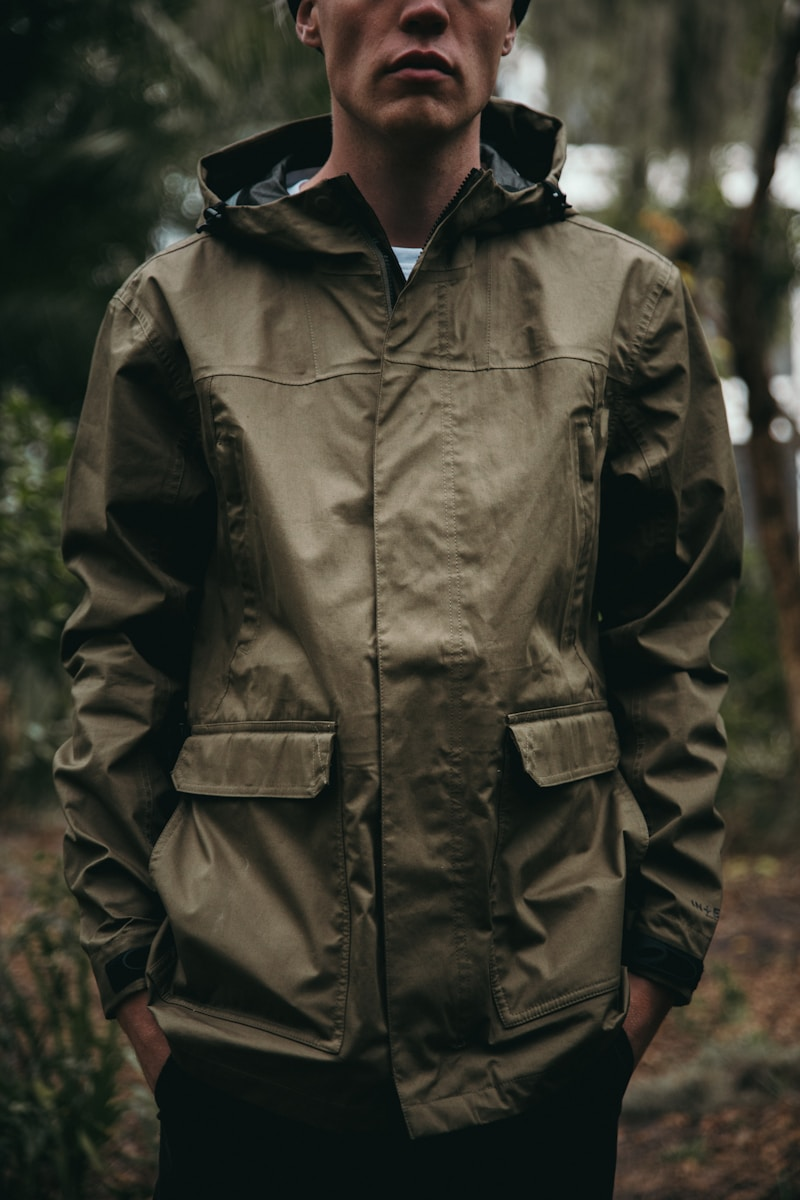
Esta es tu armadura final contra los elementos. Una buena capa externa (o shell) debe cumplir dos funciones aparentemente contradictorias: ser completamente impermeable para bloquear la lluvia y la nieve, y al mismo tiempo ser transpirable para permitir que el vapor de agua (tu sudor) escape al exterior.- Technology: technical membranes such as Gore-Tex, eVent or HyVent are behind this magic. They are built with microscopic pores small enough to keep water droplets out but large enough to let water vapor molecules escape.
- Extra features: look for shells with taped seams (to avoid leak points), an adjustable hood that moves with your head, waterproof zippers and adjustable cuffs. Remember that breathability has limits: if you are sweating heavily, no jacket can get rid of all the moisture, so regulating your temperature by opening zippers is essential.
Mastering the system: it is not just about wearing the clothes
El verdadero poder del sistema de 3 capas reside en su dinamismo. No es un uniforme que te pones y olvidas, sino un kit de herramientas que debes usar de forma activa.- Layer up and down: before you start sweating, take off your mid or outer layer. It is better to start a little cold than to be soaked ten minutes later.
- Stay in the comfort zone: during breaks, especially if it is windy, put your outer layer on right away so your body does not cool down quickly.
- Smart combinations: on cold but dry days, you may only need the base and mid layers. On a rainy, mild day, a base layer plus your shell may be enough.
Frequently asked questions
The base layer (a technical or merino top), the insulating mid layer (fleece, or a down or synthetic jacket) and the waterproof, windproof outer layer.
Cotton absorbs sweat, takes a long time to dry and chills your body, which increases the risk of hypothermia.
Take layers off before you start sweating on climbs and put them on as soon as you stop or the weather changes.
Recommended gear
If you need to round out your kit, these are the categories we recommend checking:
Affiliate links: if you buy through them, Modo Aventura earns a small commission at no extra cost to you.
2 thoughts on “The 3-Layer System: The Ultimate Guide to Staying Warm in the Cold”
Comments are closed.