Quick answer: For hiking, the best headlamp gives 300 to 500 lumens, a mixed beam, at least 5 or 6 hours of runtime on medium, a red light, IPX4 water resistance or better and a rechargeable or hybrid battery, weighing 50 to 120 grams (2 to 4 oz).
Updated October 24, 2026
A headlamp is one of those things that spends months at the bottom of your pack until one day a hike runs long, the sun sets earlier than expected and it becomes the most important thing you are carrying. That is why it appears on every list of essential mountain gear.
But not every headlamp does the same job. In this guide we explain what to look for to choose the best hiking headlamp for the trips you do.
Why a headlamp and not your phone’s flashlight
- Hands free: you need your hands for poles, for steadying yourself on rock or for pitching the tent.
- Separate battery: your phone is your GPS and your way to call for help; draining it for light is a bad idea.
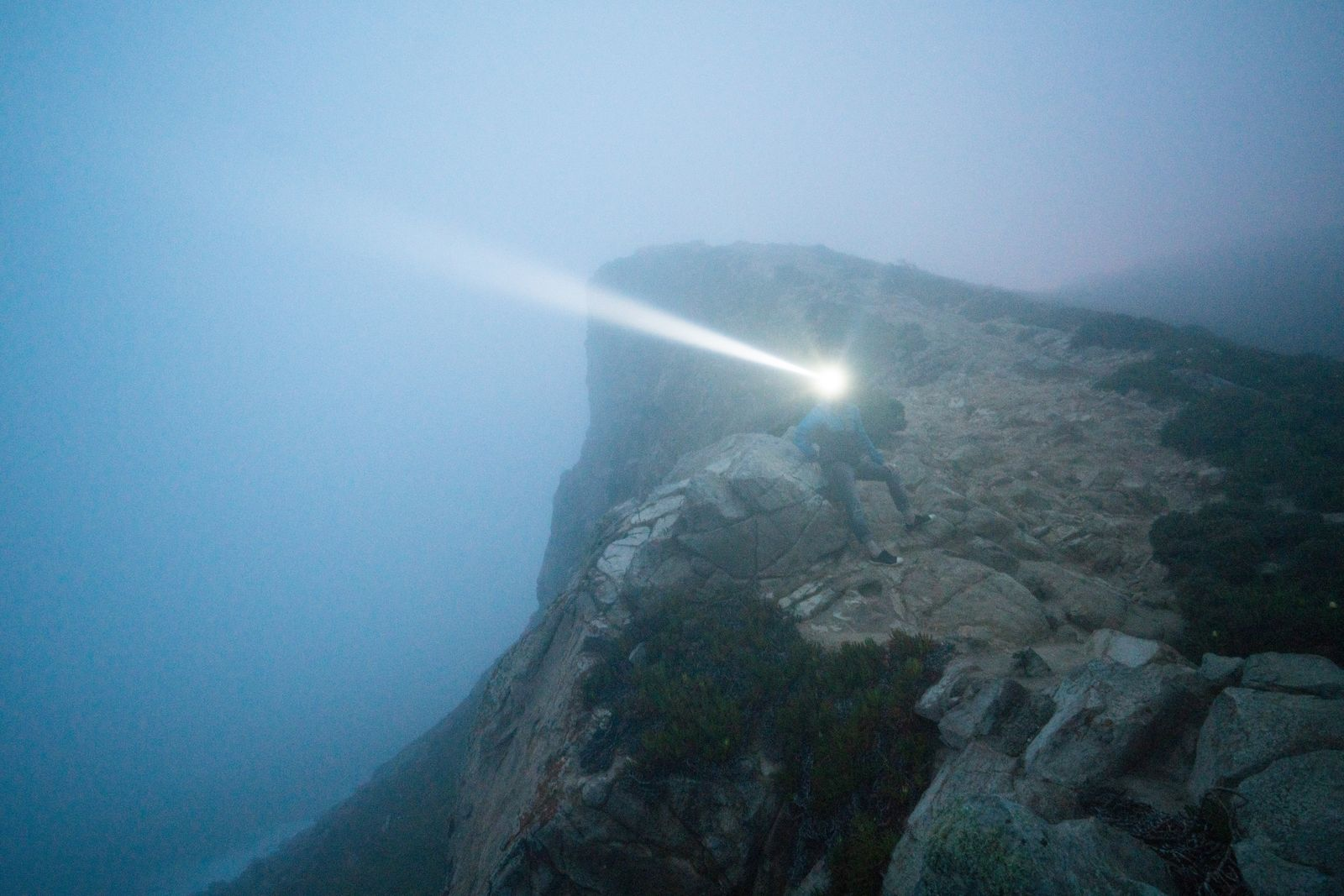
- More light and more reach: a mountain headlamp lights the trail many meters ahead.
- Toughness: it handles rain, knocks and cold far better than a phone.
1. Lumens: how much light you need
Lumens measure how much light the headlamp puts out. As a guide:
- 100 to 200 lumens: enough for camp, reading in the tent and walking on easy trails.
- 300 to 500 lumens: the sweet spot for hiking. Lets you walk mountain trails safely at night.
- Over 500 lumens: for pre-dawn alpine starts, technical terrain, trail running or route finding.
Note: maximum output almost always lasts only a short time. Pay more attention to the lumens in the medium modes, which are the ones you will really use.
2. Beam distance and beam type
Beam distance tells you how far the headlamp lights. The type of beam is just as important:
- Wide or flood beam: lights up what is close to you. Perfect for camp.
- Spot beam: reaches further, ideal for finding the trail or route markers.
- Mixed beam: combines both. The most versatile option for hiking.
3. Battery life
Check how many hours the headlamp lasts in each mode, not just the lowest. For a day hike where you might come back after dark, look for at least 5 to 6 hours on a medium mode. For multi-day treks, it is better if it has a low-power mode that lasts many hours.
Some headlamps have regulated output, which keeps the same brightness until the battery runs out. Others dim gradually. The first kind is more comfortable, but when the battery dies it shuts off suddenly.
4. Rechargeable battery or AAA
- USB rechargeable: more convenient and cheaper in the long run, and it charges from a power bank. The most popular option today.
- AAA batteries: you can carry spares and buy them anywhere. Useful on long expeditions with no way to charge.
- Hybrid: takes its rechargeable battery or regular AAAs. The best of both worlds.
In severe cold, every battery loses performance. If you hike in winter, keep the headlamp inside your sleeping bag or in an inside pocket at night.
5. Red light
Red light is more useful than it seems:
- It does not dazzle your companions at camp or in the hut.
- It preserves your night vision, ideal for stargazing or reading a map.
- It uses less battery.
Most good headlamps include it today. It is worth insisting on.
6. Water resistance
Look for an IPX rating:
- IPX4: withstands splashes and rain. The minimum for the mountains.
- IPX7 or IPX8: withstands submersion. Recommended if you hike in very rainy climates or cross rivers.
7. Weight and comfort
A hiking headlamp usually weighs between 50 and 120 grams (2 to 4 oz). The most powerful ones carry the battery at the back of the head, which balances the weight. Check that the strap is wide and adjustable and that you can change modes while wearing gloves.
8. Extra features
- Lockout mode: stops it from switching on inside your pack and draining the battery.
- Battery indicator: so you know how much is left.
- Tilting head: to point the light at the ground without moving your head.
- Reactive lighting sensor: adjusts brightness automatically depending on what you look at.
Which headlamp to choose for your activity
- Day hikes and camping: 200 to 400 lumens, rechargeable, with red light and IPX4.
- Multi-day treks: 300 to 500 lumens, good battery life, hybrid or with spare batteries.
- Winter hiking and mountaineering: over 400 lumens, big buttons you can use with gloves, good resistance to cold and water.
Frequently asked questions
Between 300 and 500 lumens is the sweet spot for walking mountain trails at night. For camp, 100 to 200 is enough.
A USB rechargeable one is more convenient and cheaper; AAA models let you carry spares on expeditions with no way to charge. Hybrids take both.
It does not dazzle your companions, it preserves your night vision and it uses less battery.
Recommended gear
If you need to round out your kit, these are the categories we recommend checking:
- Rechargeable headlamps
- Powerful headlamps over 400 lumens
- Headlamps with red light
- Rechargeable AAA batteries
- Small power banks
Affiliate links: if you buy through them, Modo Aventura earns a small commission at no extra cost to you.
Conclusion
A good headlamp weighs little, costs less than almost any other piece of gear and can get you out of serious trouble. Choose one with around 300 lumens, red light, water resistance and a rechargeable battery, and always carry it, even if you plan to be back in daylight. Complete your kit with our checklist of what to bring on a hike.
Has a headlamp ever saved you in the mountains? Tell us your story in the comments.