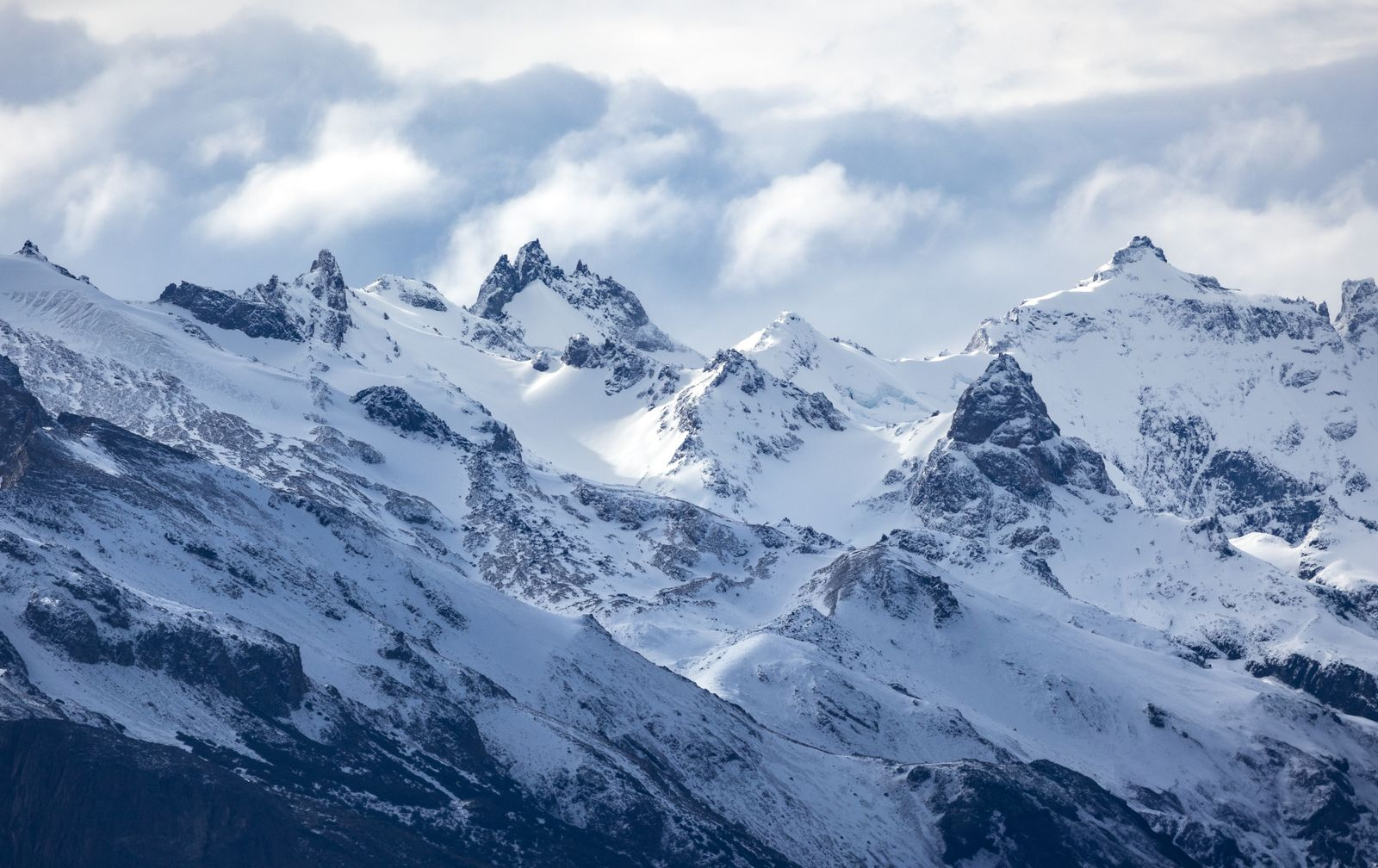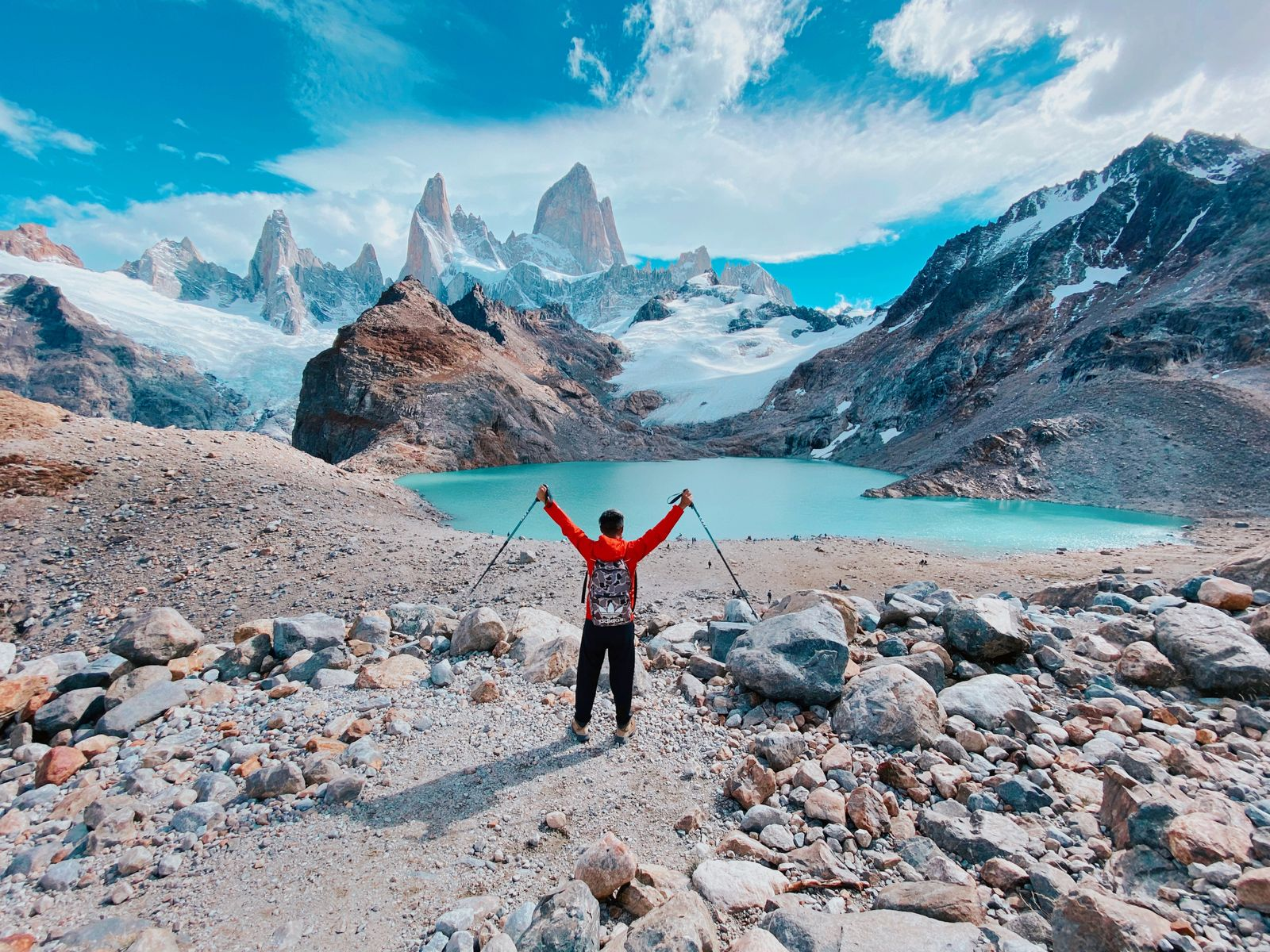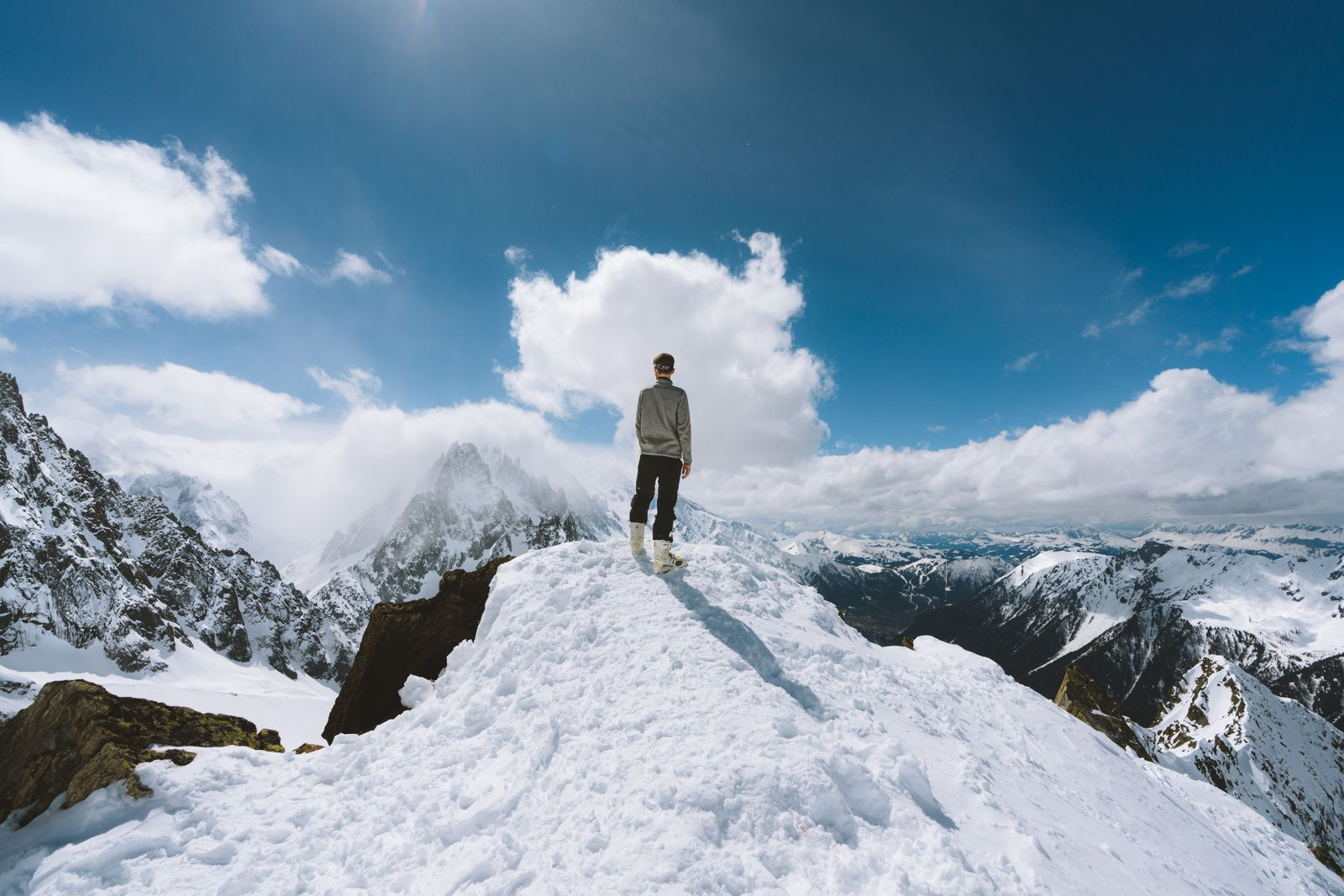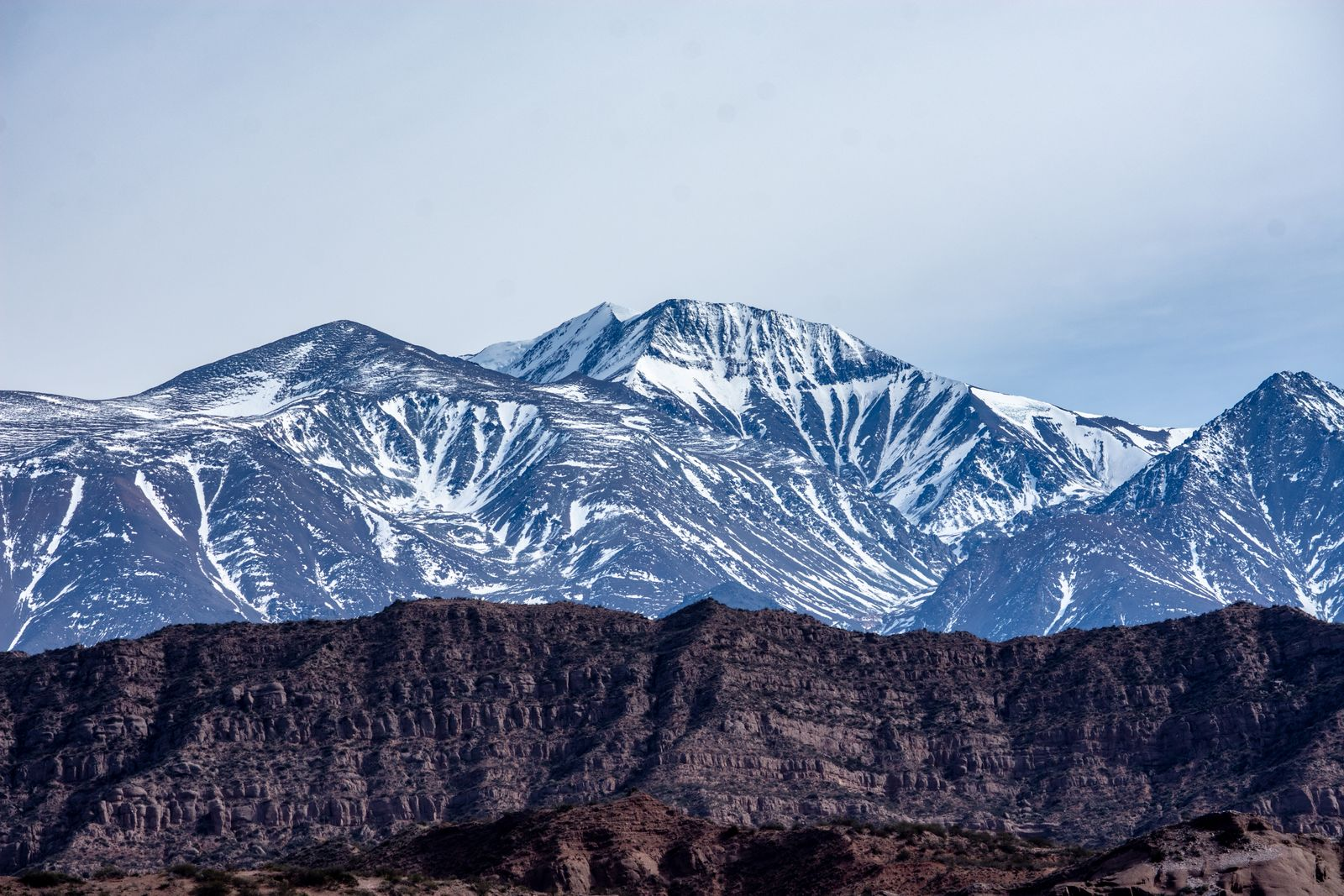
Quick answer: Aconcagua (6,961 m / 22,838 ft, Mendoza, Argentina) is the highest mountain in the Americas. Its normal route via Plaza de Mulas is not technical, but an expedition takes 15 to 20 days because of acclimatization. The season runs from mid-November to late February, and you need a park permit both to climb and to trek.
Updated October 24, 2026
At 6,961 meters (22,838 ft), Aconcagua is the highest mountain in the Americas and in the entire Southern Hemisphere, and one of the Seven Summits. It rises in the province of Mendoza, Argentina, very close to the border with Chile. Every season thousands of climbers from around the world try to reach its summit.
Its normal route is not technical, but that does not make it easy. Altitude, cold and wind make Aconcagua a very serious challenge. In this guide we explain how to plan it, and also how to enjoy it on a trek if you are not after the summit.
Permits, fees and rules for Aconcagua Provincial Park change every season. Always check the park’s official information before planning your trip.
🎟️ Civitatis deal: 5% off for Modo Aventura readers
Book any tour or activity through our link by November 30 and get 5% off the whole Civitatis catalog. The activity itself can be on any date.
See tours in Mendoza with 5% off →
Promotional link from the Civitatis November campaign. If you book, we earn a commission at no extra cost to you.
Key facts
- Height: 6,961 meters (22,838 ft) above sea level.
- Location: Aconcagua Provincial Park, Mendoza province, Argentina.
- Season: roughly mid-November to late February or early March.
- Expedition length: 15 to 20 days, including acclimatization days.
- Difficulty: non-technical normal route, but demanding because of the extreme altitude and weather.
- Permit: mandatory, both for climbing and for trekking inside the park.
The main routes
Normal Route (Horcones Valley)
The busiest route. Access is via the Horcones Valley, a few kilometers from Puente del Inca. It passes Confluencia and reaches Plaza de Mulas base camp, at about 4,300 meters (14,100 ft). From there you climb through the high camps (Canadá, Nido de Cóndores, Berlín or Colera) to the summit.
Polish Glacier Traverse or “False Polish” route (Vacas Valley)
Access is via the Vacas Valley, a longer and quieter approach, to Plaza Argentina base camp. It offers spectacular scenery and fewer people, and higher up many expeditions traverse across to descend by the normal route.
Other routes
There are technical routes, such as the South Face or the direct Polish Glacier, that require high-altitude mountaineering and ice climbing experience.
Acclimatization: the key to success
On Aconcagua the strongest climber does not win; the one who acclimatizes best does. Most expeditions fail, or end in evacuation, because they climb too fast.
A typical plan includes:
- A slow approach to base camp, with an intermediate night (for example at Confluencia).
- Rest days at base camp.
- Load carries: carrying gear to a higher camp and coming back down to sleep.
- Spare days for bad weather to wait for a good summit window.
If you are not sure how altitude affects you, read our guide to altitude sickness: symptoms and prevention before planning anything.
During the season there are mandatory medical checks at the base camps, where climbers’ condition is assessed before they continue.
Weather and the viento blanco
High on the mountain temperatures can drop to -20 °C (-4 °F) or lower, and with wind the wind chill is far lower. The dreaded viento blanco (“white wind”) is a storm of wind and snow that can arrive quickly and makes progress impossible. Choosing the right summit day, and knowing when to turn back, is an essential part of the expedition.
Guided or independent?
- With a company or guide: the most common option. They handle logistics, permits, mules, base camp meals and the acclimatization strategy. Highly recommended if it is your first mountain above 6,000 meters.
- Independently: only if you have previous high-altitude experience. Even then, it is common to hire individual services, such as mules to carry your gear to base camp.
Trekking: Aconcagua without going to the summit
You do not need to be a mountaineer to enjoy Aconcagua:
- Laguna de Horcones: a short walk near the park entrance, with a classic view of the South Face.
- Confluencia and Plaza Francia: a one or multi-day trek to the foot of the huge South Face, one of the biggest walls in the Andes.
- Trek to Plaza de Mulas or Plaza Argentina: several days to experience the base camp atmosphere.
These options also require a park permit.
Expedition gear
Besides a good expedition backpack, a basic list includes:
- Double boots or high-altitude mountaineering boots rated for extreme cold and crampon compatible.
- Crampons, ice axe and trekking poles.
- A winter sleeping bag with a comfort rating well below freezing. We help you with how to choose a sleeping bag.
- An expedition down parka and down or synthetic pants.
- A complete layering system: base, mid and waterproof outer layer. Review the 3-layer system.
- Gloves: liners, insulated gloves and expedition mittens.
- Category 4 glacier glasses and ski goggles.
- A headlamp with spare batteries or a battery that handles cold. Read our guide to hiking headlamps.
- Very high SPF sun protection and lip balm.
- A high-altitude tent, if the expedition does not provide one.
Final tips
- Train for months: endurance, legs and hikes with a loaded pack.
- Gain experience first on 4,000 to 6,000 meter peaks.
- Get insurance that covers high-altitude rescue and evacuation.
- Respect the park: all trash and waste must be carried down, according to park rules.
- Listen to your body and your guide: the summit is optional, coming back is mandatory.
Frequently asked questions
6,961 meters (22,838 ft) above sea level. It is the highest mountain in the Americas and in the Southern Hemisphere.
An expedition usually takes 15 to 20 days, including approach, acclimatization and spare days for bad weather.
The normal route is not technical, but it demands very good fitness and previous high-altitude experience. It is advisable to have climbed 4,000 to 6,000 meter peaks first or to go with a guide.
Yes. There are treks to Laguna de Horcones, Confluencia and Plaza Francia, or to the base camps, also with a park permit.
Recommended gear
If you need to round out your kit, these are the categories we recommend checking:
- Expedition down parkas
- Expedition mittens
- Category 4 glacier glasses
- Crampons
- Ice axes
- Winter sleeping bags
Affiliate links: if you buy through them, Modo Aventura earns a small commission at no extra cost to you.
Conclusion
Aconcagua is a dream within reach of many climbers, but only with preparation, patience and respect for altitude. Whether you are after the summit or want to walk to the foot of the South Face, it is an experience that stays with you forever. If you are putting together a trip through the Andes, combine it with Patagonia: read our guides to Laguna de los Tres and the W Trek.
Is Aconcagua on your summit list? Share your plans or questions in the comments.