
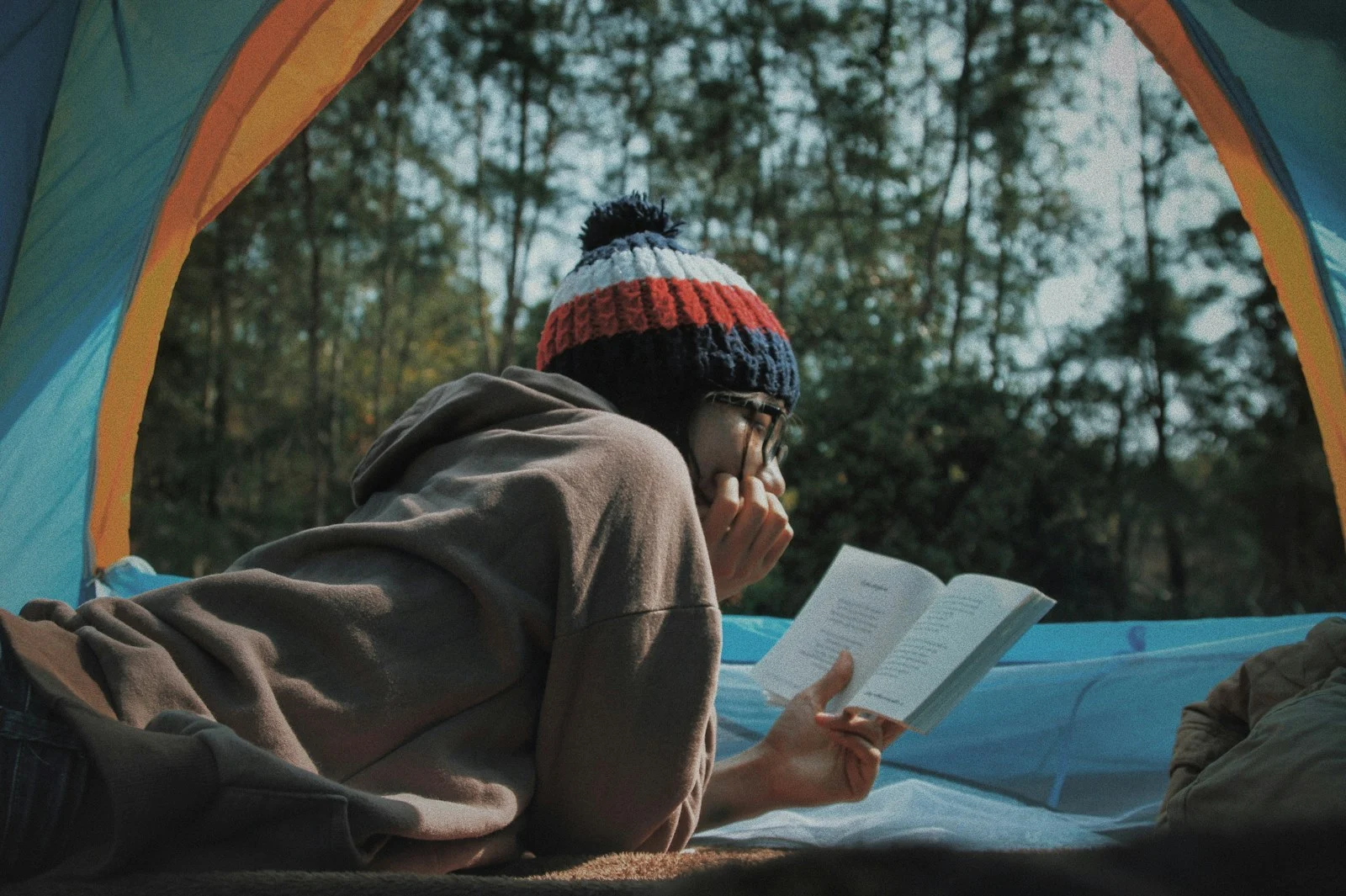
Quick answer: To choose a sleeping bag, go by the comfort rating (not the extreme one) with a margin of about 5 °C (9 °F) over the lowest temperature you expect, pick down if weight and packed size matter most or synthetic if you camp in damp conditions, prefer a mummy shape for backpacking and pair it with a sleeping pad with the right R-value.
Updated October 24, 2026
Sleeping well in the mountains completely changes a trek. If you spend the night shivering, the next day you will walk tired, grumpy and with less energy to enjoy it. The key piece of gear to avoid that is your sleeping bag, and choosing it well is not that hard once you understand a few concepts.
In this guide we explain how to choose a sleeping bag for where and when you camp.
1. Understand the temperature ratings
Most quality sleeping bags are labeled following the European EN 13537 standard or its successor, ISO 23537. You will see three temperatures:
- Comfort rating: the temperature at which a cold sleeper (as a reference, a standard woman) sleeps comfortably and relaxed.
- Limit rating: the temperature at which a warm sleeper (as a reference, a standard man) sleeps curled up without feeling cold.
- Extreme rating: the survival limit. It is not a temperature to sleep at, but the point beyond which there is a risk of hypothermia.
The practical rule: choose the bag by its comfort rating if you sleep cold, or by the limit rating if you usually sleep warm. And never by the extreme rating.
2. Choose the rating for your trips
Think about the lowest temperature you expect on the coldest nights of your usual trips, and add a margin of about 5 °C (9 °F).
- Summer bags (comfort of +10 °C / 50 °F or more): camping at low elevations and mild nights.
- Three-season bags (comfort of 0 °C to +5 °C / 32 to 41 °F): the most versatile option for spring, summer and autumn trekking, including most of the summer in Patagonia.
- Winter bags (comfort below -5 °C / 23 °F): winter mountains and high altitude.
Remember that in the mountains the temperature drops with altitude: as a guide, about 6 °C for every 1,000 meters you climb (roughly 3.5 °F per 1,000 ft).
3. Down or synthetic
Down sleeping bags
- Pros: very warm for their weight and they compress extremely well. Well cared for, they last many years.
- Cons: they lose almost all their insulation when wet, and they cost more.
Down quality is measured in fill power: the higher it is, the more warmth per gram. A fill power of 600 to 700 is very good for backpacking; high-end bags go above 800. Some down is treated to handle moisture better.
Synthetic sleeping bags
- Pros: they keep insulating even when damp, dry quickly and are cheaper.
- Cons: they are heavier and bulkier for the same warmth, and they lose loft over the years.
Which one to choose? If you camp in very rainy or humid climates, or you are on a tight budget, synthetic is the safe bet. If weight and packed size are your priority, down is unbeatable, as long as you protect it from water with a dry bag.
4. Sleeping bag shape
- Mummy: narrow at the feet with a hood. It is the most efficient shape because there is less air to warm up. The standard for backpacking.
- Rectangular: more room to move, but less warm and heavier. For car camping.
- Semi-mummy: a middle ground for those who feel confined in a mummy bag.
Also look for details that make a difference: an adjustable hood, a draft collar around the shoulders and a draft tube along the zipper so heat does not escape.
5. Size and weight
A bag that is too big leaves room for cold air; one that is too small compresses the fill and is less warm. Choose the length for your height.
As for weight, for backpacking look for a three-season bag of around 1 to 1.5 kilos (2.2 to 3.3 lb) in synthetic or under 1 kilo (2.2 lb) in down.
6. Do not forget the sleeping pad
An excellent sleeping bag on cold ground is not much use: the ground steals heat from below, where the fill is crushed by your weight. You need a sleeping pad, and its insulation is measured by its R-value:
- R-value 2 to 3: summer and mild temperatures.
- R-value 3 to 4: three seasons.
- R-value 5 or more: winter and snow.
7. Tricks to sleep warmer
- Eat something with fat and carbs before bed: your body is the heater.
- Sleep in dry clothes: a dry beanie and socks help a lot. Never get into your bag in the sweaty clothes you hiked in.
- Pee before bed: your body spends energy keeping that liquid warm.
- Use a hot water bottle, tightly closed, inside the bag.
- Shake the bag when you take it out of its stuff sack so the fill regains its loft.
8. Care and storage
- Do not store it compressed: at home, keep it loose in a large cotton storage sack or hanging up.
- Air it out every morning on the trail.
- Wash it rarely, with products made for down or synthetic fill.
Frequently asked questions
Choose the bag by its comfort rating, with a margin of about 5 °C (9 °F) over the lowest temperature you expect. For three-season backpacking, a comfort rating of 0 °C to +5 °C (32 to 41 °F) is the most versatile.
Down is warmer per gram and compresses better, but loses insulation when wet. Synthetic stays warm when damp, dries fast and is cheaper, although it is heavier.
It measures how well the pad insulates you from the cold ground. An R-value of 2 to 3 works for summer, 3 to 4 for three seasons and 5 or more for winter.
Recommended gear
If you need to round out your kit, these are the categories we recommend checking:
- Down sleeping bags
- Three-season synthetic sleeping bags
- Sleeping pads and inflatable mats
- Sleeping bag liners
- Compression stuff sacks
Affiliate links: if you buy through them, Modo Aventura earns a small commission at no extra cost to you.
Conclusion
To choose the right sleeping bag, look at the comfort rating with a safety margin, decide between down and synthetic based on humidity and the weight you can carry, and do not forget the sleeping pad. That way you will sleep warm and wake up ready for the next stage. If you are planning a trek in Patagonia, check our guide to the W Trek in Torres del Paine.
Down or synthetic? Which is your favorite? Tell us in the comments.
One thought on “How to Choose a Sleeping Bag: Temperature Rating, Fill and Shape”
Comments are closed.