
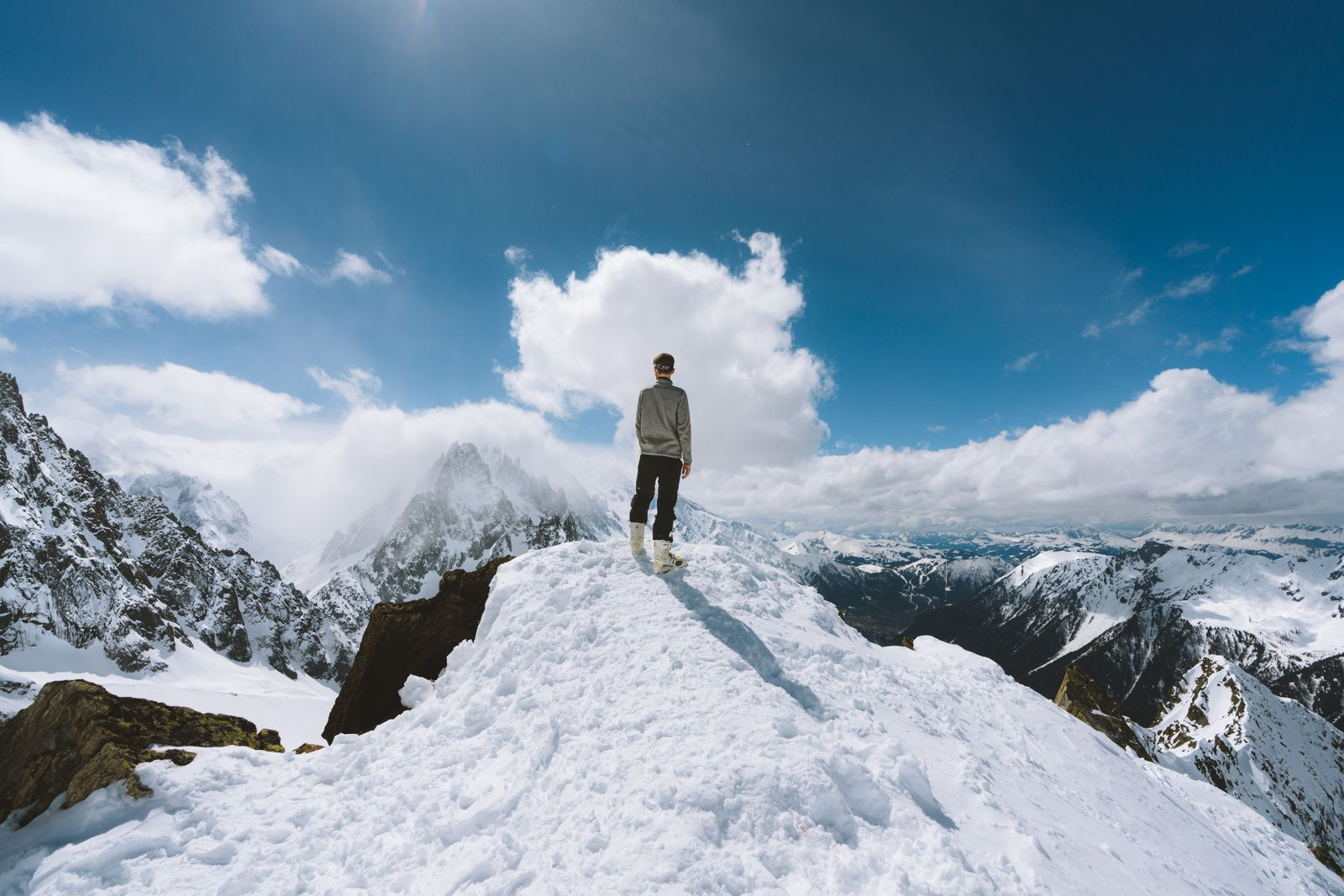
Quick answer: Altitude sickness appears when you climb faster than your body can acclimatize, usually above 2,500 meters (8,200 ft). Its main symptom is a headache with nausea, fatigue or insomnia. You prevent it by ascending slowly (no more than 300 to 500 meters of sleeping altitude per day above 3,000 m / 10,000 ft) and, if symptoms get worse, the cure is to descend.
Updated October 24, 2026
Climbing a peak above 3,000 meters or hiking a trek in the Andes or the Himalaya is an incredible experience. But at those heights your body has to work with less oxygen, and if you do not give it time to adapt you may get altitude sickness, also called acute mountain sickness (AMS) or, in the Andes, soroche.
The good news is that in the vast majority of cases it can be prevented. In this guide we explain what it is, how to recognize it and what to do if it affects you.
This article is for information only and is not a substitute for medical advice. If you have a pre-existing condition or are traveling to high altitude, talk to a health professional first.
What is altitude sickness?
As we climb, air pressure drops and every breath brings in less oxygen. The body responds by breathing faster and raising the heart rate, and over several days it makes deeper changes to adapt. That process is called acclimatization.
When we climb faster than the body can acclimatize, altitude sickness appears. It usually shows up from 2,500 meters (8,200 ft), although some people notice it lower. It has nothing to do with fitness: an athlete can get it while a sedentary person does not. What matters most is how fast you ascend.
Symptoms of altitude sickness
The main symptom is a headache, together with one or more of these:
- Nausea, vomiting or loss of appetite.
- Unusual tiredness or weakness.
- Dizziness or light-headedness.
- Trouble sleeping.
They usually appear 6 to 12 hours after arriving at a new altitude. It often feels like a hangover and it is easy to brush off. Don’t. If you are at altitude and feel unwell, assume it is altitude sickness until proven otherwise.
Severe forms: when it is an emergency
In some cases altitude sickness develops into two serious conditions that can be fatal:
- High altitude cerebral edema (HACE): confusion, strange behavior, extreme drowsiness and, above all, loss of balance (difficulty walking in a straight line).
- High altitude pulmonary edema (HAPE): shortness of breath even at rest, a persistent cough, sometimes with frothy or pink sputum, and extreme fatigue.
With any of these signs the only answer is to descend immediately, accompanied, and get medical help. Do not wait for daylight if the person is getting worse.
How to prevent altitude sickness
1. Ascend slowly
Above 3,000 meters (10,000 ft), the general recommendation is not to raise your sleeping altitude by more than 300 to 500 meters (1,000 to 1,600 ft) per day. You can go higher during the day, but come back down to sleep.
2. Plan rest days
Include an acclimatization day every three or four days, or every time you have gained about 1,000 meters (3,300 ft) of sleeping altitude. On those days you can take a short hike up and come back down.
3. Climb high, sleep low
This is the classic mountaineering rule: hike higher during the day and return to sleep at a lower elevation. Your body gets the signal to adapt without spending the night at an altitude it cannot handle yet.
4. Stay hydrated and eat well
Dehydration does not cause altitude sickness, but the symptoms get confused and add up. Drink regularly and favor carbohydrate-rich meals, which the body uses more efficiently at altitude.
5. Avoid alcohol and sedatives
Especially in the first few days. They slow your breathing during sleep and make acclimatization worse.
6. Ask about preventive medication
There are drugs that help acclimatization, such as acetazolamide (Diamox). It should only be taken on medical advice, so if your trip includes a fast ascent that is hard to avoid, talk to your doctor before you go.
What to do if symptoms appear
Follow this simple rule:
- Do not keep climbing with symptoms. Not one meter more.
- Rest at the same altitude and watch how they evolve. A regular pain reliever can ease the headache.
- If you do not improve within 24 hours or you get worse, go down. Descending 300 to 1,000 meters is usually enough for mild symptoms to go away.
- If there are signs of cerebral or pulmonary edema, descend immediately and call for help.
Never leave a person with altitude sickness alone, and never let them descend alone.
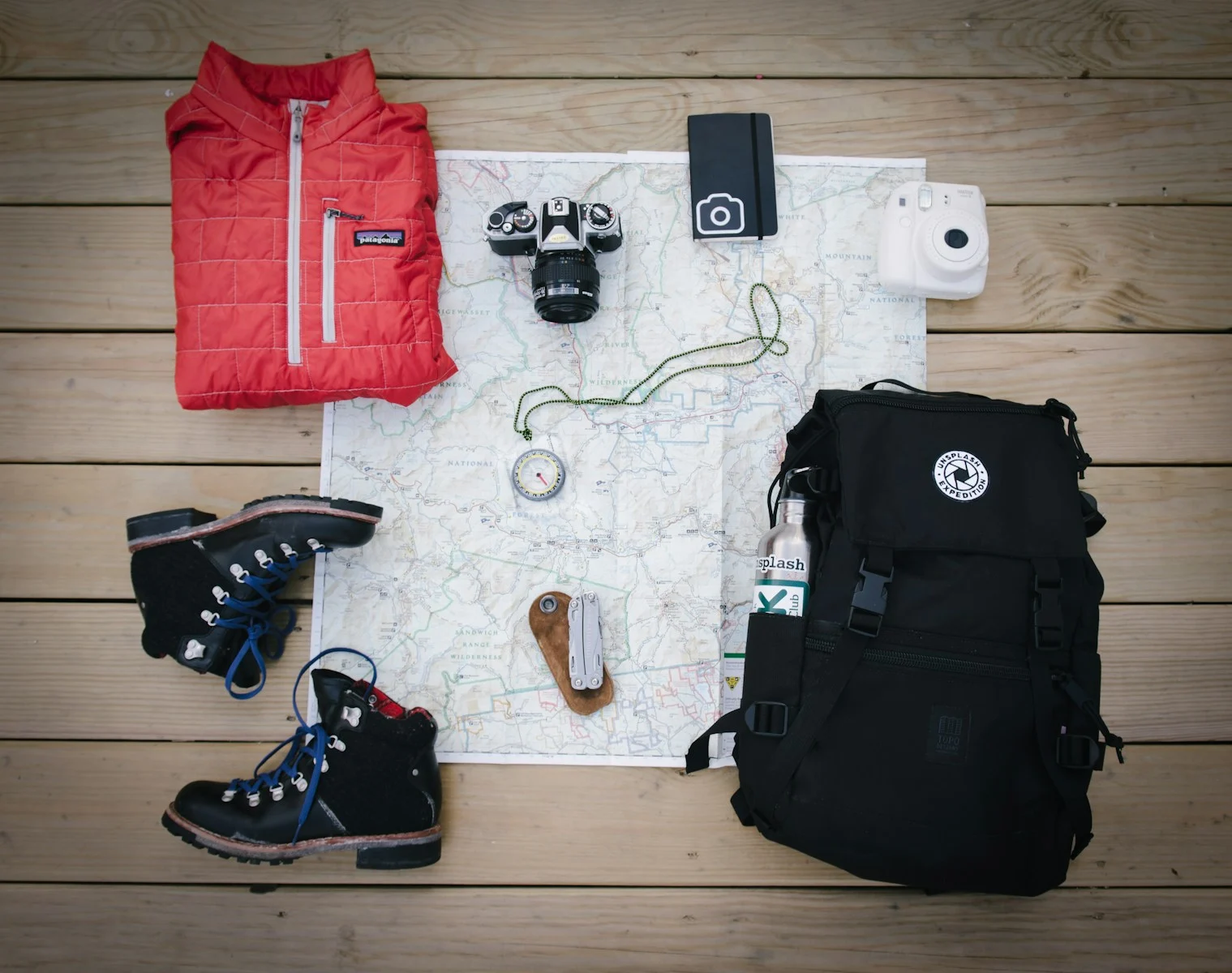
Gear that helps at altitude
- Fingertip pulse oximeter: measures oxygen saturation. It does not replace watching for symptoms, but it is useful for tracking how someone is doing.
- Warm layered clothing: cold increases energy expenditure. Review our 3-layer system.
- A comfortable hydration system so you can drink without stopping.
- High SPF sun protection and category 3 or 4 sunglasses: at altitude UV radiation is much stronger.
Frequently asked questions
It usually appears from 2,500 meters (8,200 ft), although some people notice it lower. It depends mainly on how fast you ascend, not on your fitness.
A headache together with nausea or vomiting, loss of appetite, unusual tiredness, dizziness or trouble sleeping. They usually appear 6 to 12 hours after arriving at a new altitude.
Do not keep climbing, rest and watch the symptoms. If you do not improve within 24 hours or you get worse, descend. With confusion, loss of balance or shortness of breath at rest, go down immediately and get medical help.
Ascend slowly, plan rest days, follow the climb high, sleep low rule, stay hydrated and avoid alcohol. Preventive medication should only be taken on medical advice.
Recommended gear
If you need to round out your kit, these are the categories we recommend checking:
Affiliate links: if you buy through them, Modo Aventura earns a small commission at no extra cost to you.
Conclusion
Altitude sickness does not care about experience or fitness, but it does reward patience. Ascend slowly, listen to your body and do not be afraid to turn back: the mountain will still be there tomorrow. Before your next trip, also check our checklist of what to bring on a hike.
Have you ever had altitude sickness? Share your experience in the comments to help other adventurers.
One thought on “Altitude Sickness: Symptoms, Prevention and What to Do in the Mountains”
Comments are closed.