Quick answer: Laguna Esmeralda is the most popular hike in Ushuaia. The trail starts at Valle de Lobos on National Route 3, about 18-20 km from town, and covers roughly 9 km round trip with a gentle elevation gain of about 200-300 m. It takes 4 to 5 hours, needs no guide and has no technical sections, but expect lots of mud and peat bog. The best season is November to March.
Updated on November 24, 2026
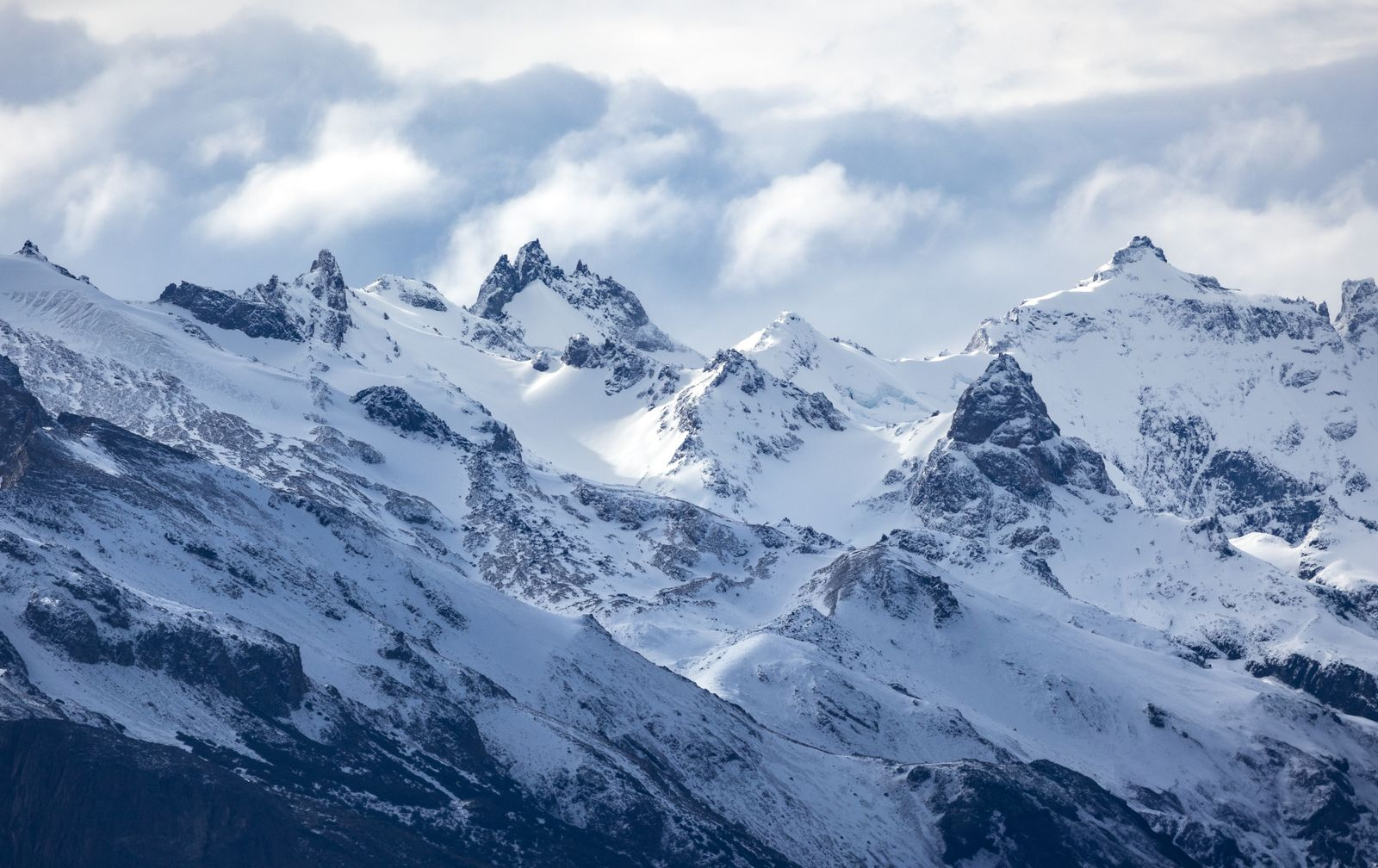
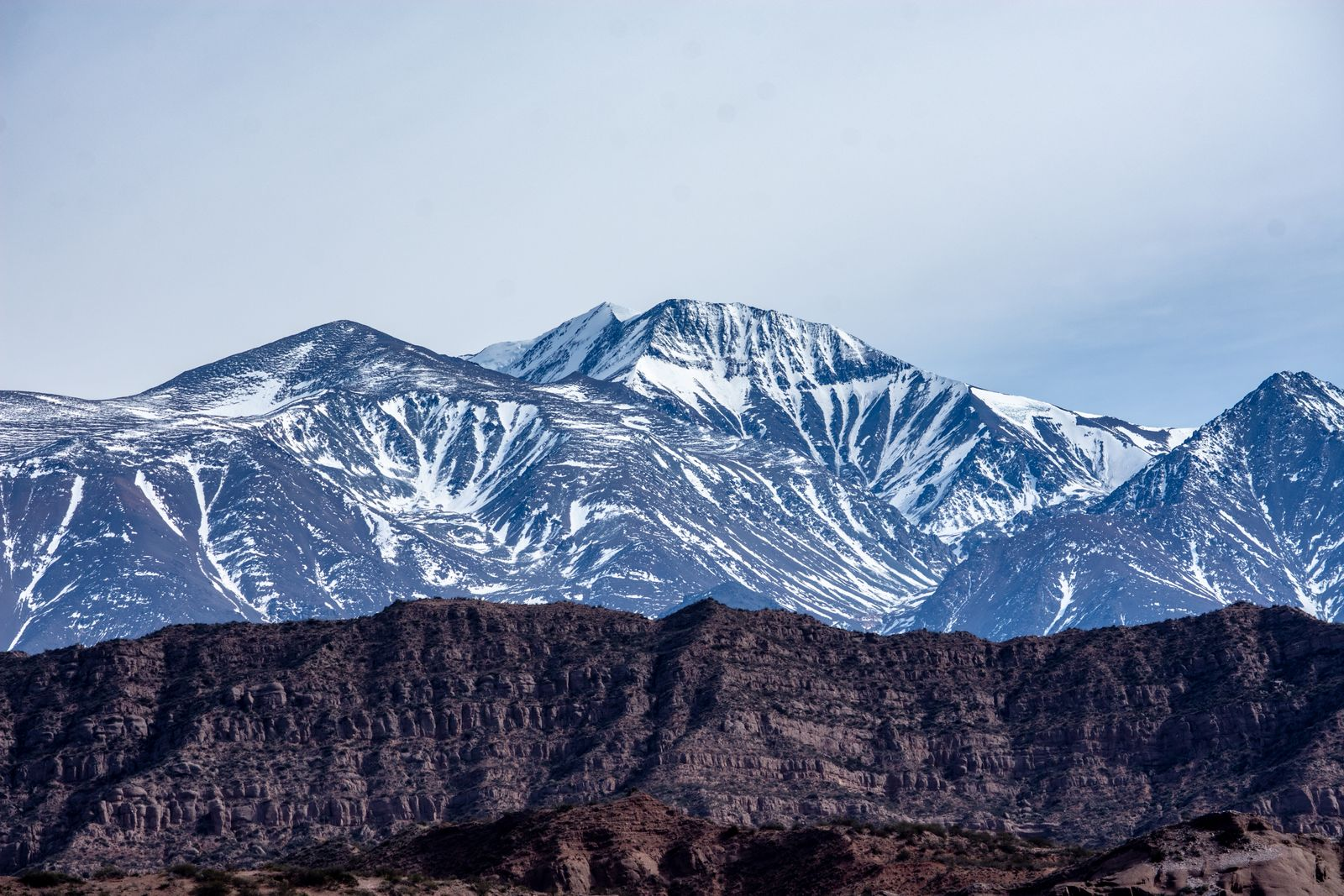
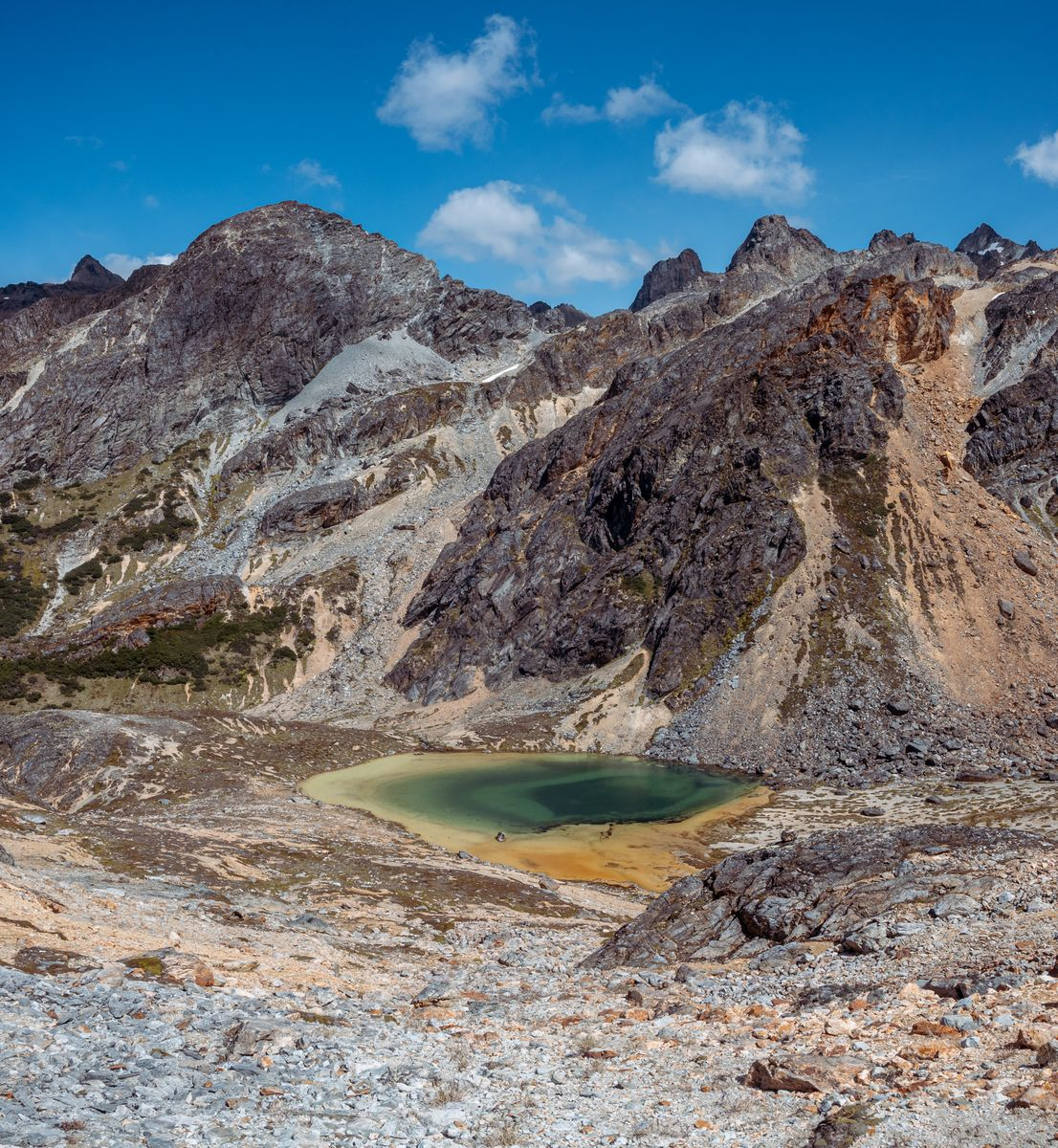
Lenga beech forests, peat bogs that feel like sponges, beaver dams and, at the end, an emerald-green lake beneath jagged peaks: that is one of the most beautiful walks at the end of the world. It is short, requires no mountain experience and is an easy day trip from Ushuaia, which is why almost everyone visiting Tierra del Fuego puts it on their list.
In this guide we cover everything you need for the Laguna Esmeralda hike in Ushuaia: how to get to the trailhead, what the trail is like section by section, when to go, what to bring and the most common mistakes.
🎟️ Civitatis deal: 5% off for Modo Aventura readers
Book any tour or activity through our link by November 30 and get 5% off the whole Civitatis catalog. The activity itself can be on any date.
Promotional link from the Civitatis November campaign. If you book, we earn a commission at no extra cost to you.
Laguna Esmeralda hike at a glance
- Location: Tierra Mayor Valley, inside the Valle de Tierra Mayor Natural and Scenic Reserve, Tierra del Fuego (Argentina).
- Trailhead: Valle de Lobos, next to National Route 3, about 18-20 km northeast of downtown Ushuaia.
- Distance: about 9 km round trip (sources range from 8.5 to 10 km).
- Elevation gain: gentle, roughly 200 to 300 m, with a steeper final push before the lake.
- Time: 4 to 5 hours round trip, plus however long you stay at the lake.
- Difficulty: easy to moderate. No technical sections; the mud and peat are what tire you out.
- Best season: November to March. In winter it can be done in snow, ideally with snowshoes and a guide.
- Facilities: no drinking water, shops or toilets along the trail.
How to get to the trailhead
The trail starts at Valle de Lobos, right by National Route 3, on the stretch that leaves Ushuaia toward Garibaldi Pass and the ski centers of the Tierra Mayor Valley. There is a small parking area and signs at the start of the path.
- By car: the most convenient option, about 20-30 minutes from downtown. Start early in summer, because the parking lot is small and fills up.
- By taxi or private car: many travelers agree on a pickup time with the driver. Ask for the fare first, since it changes often.
- By shuttle: in high season there are usually shuttle services from downtown Ushuaia to the lake. Check schedules at the city tourist office, as there are no public buses to the trailhead.
- Guided tour: several agencies offer the hike with transport included, a good choice if you travel solo or go in winter.
Some private properties in the area, such as ski centers or lodges, may charge for parking or for crossing their land. At the time of writing we found no official fee for the classic trail, but this can change, so check with the tourist office before you go.
The trail, section by section
The path is well marked and hard to lose in good weather. It can be split into four parts:
- Lenga forest: the first minutes run through a forest of lenga and ñire beech with some gentle climbing. The ground here is usually firm.
- Valley peat bog: leaving the forest, a wide valley of peat opens up. This is the part famous for mud: some sections have wooden boardwalks, while in others you will have to look for firmer ground. You will see beaver dams, an introduced species that has reshaped these valleys.
- Valley and mountain views: the trail follows the edge of the valley with views of the Fuegian range. It is almost flat but slow going.
- Final climb: a steeper, rocky last stretch brings you to the lake, with the Ojo del Albino glacier and peaks behind it.
You return the same way. Allow 2 to 2.5 hours each way, though deep mud can slow you down.
Mud and peat: what nobody tells you
The real challenge of Laguna Esmeralda is not the slope but the ground. Peat is a mix of soaked moss and plant matter that works like a sponge: even if it has not rained for days, it stays wet. A few tips:
- Wear waterproof mid-cut hiking boots. In regular sneakers your feet will be soaked within half an hour.
- Gaiters help a lot to keep mud off your legs.
- Trekking poles give you balance on slippery sections and let you test how deep the mud is.
- Do not create new paths around puddles: it widens the trail and damages an ecosystem that takes centuries to form.
- Bring a pair of dry socks and a bag for the wet ones on the way back.
When to hike to Laguna Esmeralda
The most comfortable season is November to March, the southern summer. Days are very long, temperatures are milder (though rarely above 15 °C / 59 °F) and the trail is free of snow. Even so, in Ushuaia it can rain, snow or blow hard on any day of the year.
In autumn the lenga forests turn red and yellow, and sometimes the peat freezes and is easier to walk on. In winter the valley is covered in snow: the hike is beautiful, but it is best done with snowshoes, a guide or snow experience, after checking the forecast and local warnings. In spring the snowmelt leaves the trail at its muddiest.
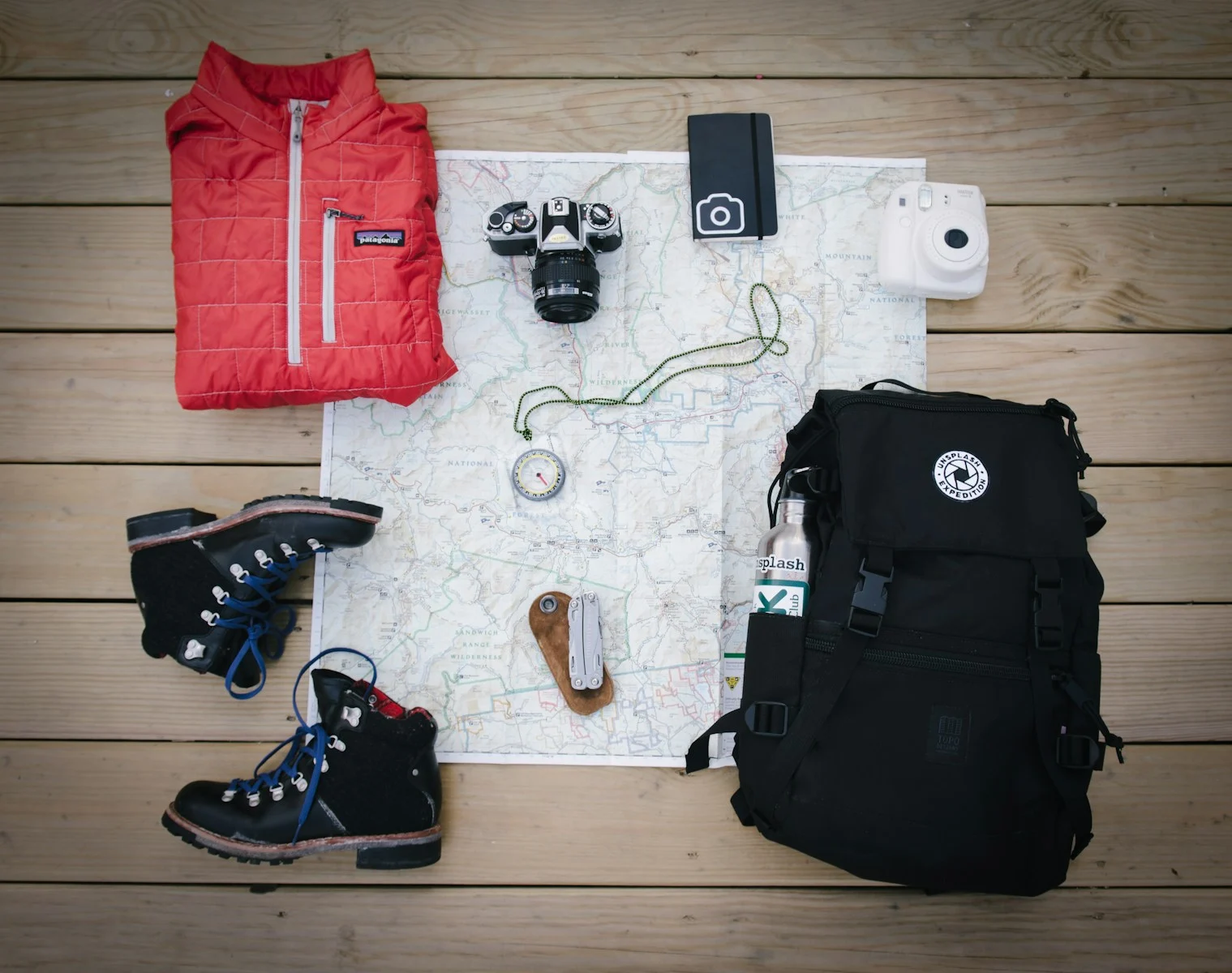
What to bring
It is a half-day hike, but in southern Patagonia the weather rules. Here is a good base list:
- A 20-30 liter backpack with a rain cover.
- Layers: a thermal base layer, a mid layer (fleece or down) and a waterproof, windproof jacket. See our 3-layer system guide.
- Hat, gloves and sunglasses, even in summer.
- Waterproof boots, gaiters and spare socks.
- Water (1 to 1.5 liters) and food: there is nowhere to buy anything on the way.
- Sunscreen: the southern sun is stronger than it seems.
- A phone with an offline map downloaded, since signal is patchy.
- A bag to carry all your trash back out.
For a complete list for any day trip, check our guide on what to bring on a day hike.
Safety tips and good practices
- Check the forecast before you leave and set a turnaround time.
- Tell someone your route and expected return time.
- Do not try to reach the Ojo del Albino glacier on your own without experience: it is a longer, harder trek on glacier terrain. If you are interested, go with a certified guide.
- Do not walk on the frozen lake in winter or go into the water: it is extremely cold.
- Do not light fires and leave no trace. Pack everything out, including toilet paper.
- Respect wildlife and do not feed foxes or birds.
Frequently asked questions
From the Valle de Lobos trailhead it takes 2 to 2.5 hours to reach the lake and a bit less to return. In total, plan on 4 to 5 hours round trip, plus time to rest and take photos. Deep mud or snow can make it longer.
It is easy to moderate. There is little elevation gain and no technical sections, but the peat and mud make it slower and more tiring than it looks. Anyone with normal fitness can do it with proper footwear.
Yes. In summer and in good weather the trail is well marked and most people hike it on their own. In winter, in snow, or if you want to continue to the Ojo del Albino glacier, it is better to go with a guide.
There are no public buses to the trailhead. You can take a taxi, one of the shuttles that usually run from downtown Ushuaia in high season, or a guided tour that includes transport.
At the time of writing we found no official entrance fee for the classic trail, although some private properties in the area may charge for parking. Conditions change, so confirm with the Ushuaia tourist office before you go.
Recommended gear
If you are putting together your gear for Laguna Esmeralda, these are the categories we recommend checking:
- Waterproof hiking boots: Amazon · Mercado Libre
- Hiking gaiters: Amazon · Mercado Libre
- Waterproof jacket: Amazon · Mercado Libre
- Trekking poles: Amazon · Mercado Libre
- 25-liter daypack: Amazon · Mercado Libre
- Thermal gloves and beanie: Amazon · Mercado Libre
Affiliate links: if you buy through them, Modo Aventura earns a small commission at no extra cost to you.
Conclusion
Laguna Esmeralda is the best introduction to hiking in Tierra del Fuego: short, non-technical and with scenery unlike anywhere else. Go with waterproof boots, warm layers and no rush, and treat the mud as part of the adventure. If you want more glacial lakes in Patagonia afterwards, check our guides to Laguna de los Tres in El Chaltén and the Laguna Torre hike, and read how to choose hiking boots.
Have you hiked to Laguna Esmeralda or is it on your list? Tell us in the comments how muddy it was and what time of year you went.